Key Takeaways
- Identify the right time to transition your Pitbull puppy’s diet based on age, growth, and activity levels.
- Select a new diet that meets the specific nutritional needs of a growing Pitbull puppy.
- Prepare for the diet transition by gathering the new food and planning a gradual mixing schedule.
- Monitor your puppy’s reaction to the new diet closely, watching for any signs of digestive upset.
- Consult your vet if you encounter any issues during the transition, and maintain a balanced diet thereafter.
Getting Started with Your Pitbull Puppy’s Diet Transition
Transitioning your Pitbull puppy to a new diet is a pivotal step in their growth and development. It’s not just about changing food; it’s about setting the stage for a lifetime of good health. But when is the right time to make this switch? Typically, the transition from puppy to adult food should begin when your Pitbull reaches about 80-90% of their expected adult weight. This is often around 12 to 14 months of age for many Pitbulls, but it can vary. Your puppy’s energy level and growth rate are good indicators that it might be time to change their diet.
Recognizing the Signs that It’s Time to Switch
Most importantly, look for signs that your Pitbull puppy is ready for a diet change. These signs can include a slowdown in growth rate, a decrease in puppy-like energy, or simply reaching the one-year mark. It’s essential to switch from a high-calorie puppy formula to a nutrient-rich adult formula that prevents overfeeding and obesity, which Pitbulls can be prone to.
Choosing the Right Food for Your Growing Pitbull Puppy
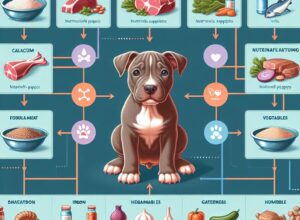
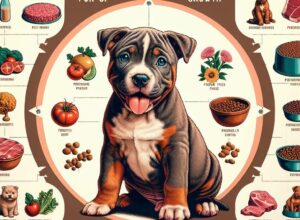
Because Pitbulls are a muscular and active breed, their diet should be rich in proteins and fats to support muscle growth and energy. Look for foods that list real meat as the first ingredient. Besides that, the food should be balanced with vitamins and minerals to support overall health, including calcium and phosphorus for strong bones and teeth.
- High-quality protein source as the first ingredient
- Balance of fats and carbohydrates for sustained energy
- Vitamins and minerals for overall health maintenance
- Appropriate calorie content to prevent overfeeding
Therefore, when selecting a new food, consider your puppy’s current health, activity level, and any special dietary needs. If you’re unsure, consult your vet—they can provide personalized advice for your pup.
Preparing for the Diet Transition
Before you start the diet transition, it’s crucial to have everything you need. This includes purchasing the new food and having enough of the old food to mix with it. Also, have a measuring cup on hand to provide accurate portions during the transition.
Gathering Supplies: What You’ll Need
Before you start transitioning your pitbull puppy’s diet, it’s important to gather all the necessary supplies.
- The new dog food
- The current dog food
- A measuring cup
- A container to mix food in
- Paper and pen to track the transition
With these items ready, you’ll be well-prepared to start transitioning your Pitbull puppy to their new diet.
Understanding Your Pitbull Puppy’s Nutritional Needs
Every dog is unique, and so are their nutritional needs. Pitbull puppies, in particular, require a diet that supports their rapid growth and high energy levels. This means a balanced intake of protein, fats, and carbohydrates. Protein is the building block of muscle, and fats provide a concentrated source of energy. Carbohydrates supply fiber and are an additional energy source. Remember, the goal is to support your puppy’s growth without overfeeding, which could lead to unhealthy weight gain.
Stay tuned for the next sections where we’ll dive into the step-by-step transition plan, how to handle potential refusal, and how to ensure your Pitbull puppy thrives on their new diet.
Executing the Transition Plan
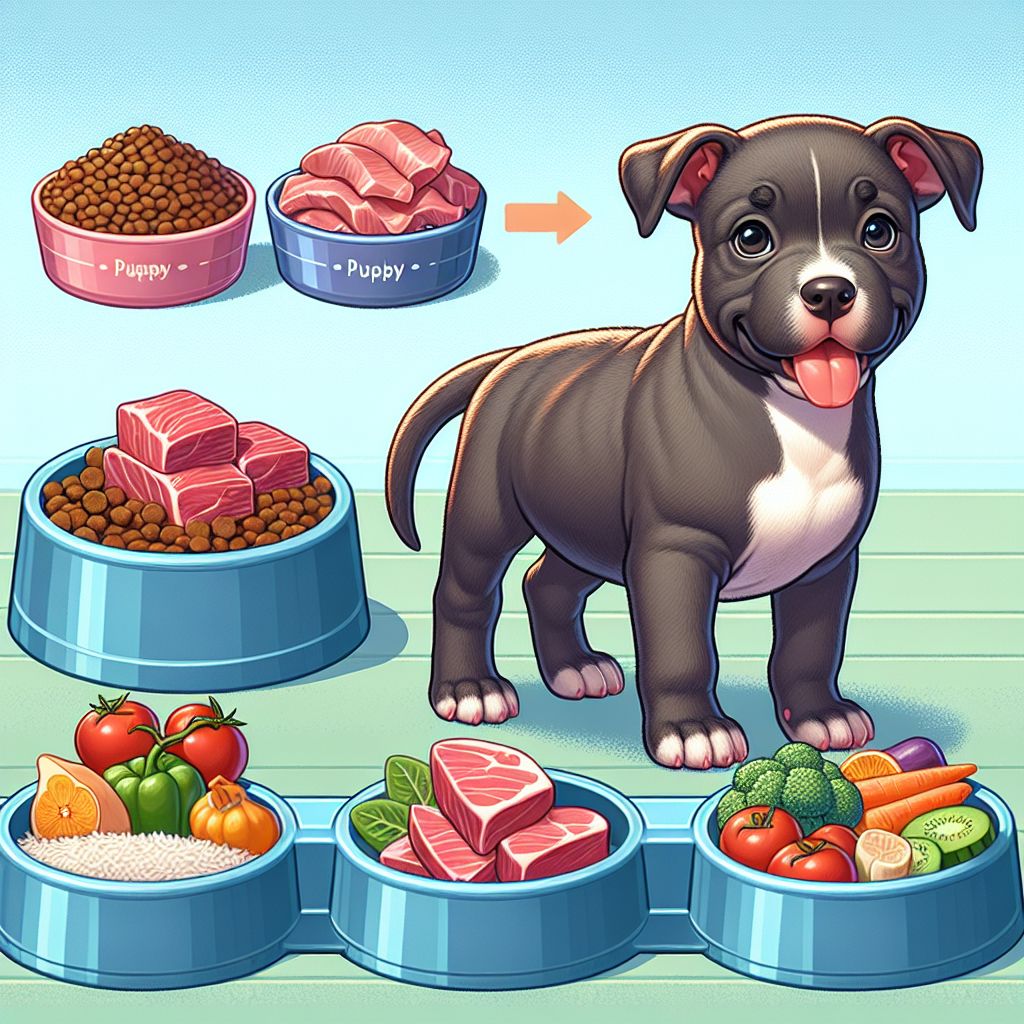
Now that you’ve got your supplies and understand your Pitbull puppy’s nutritional needs, it’s time to execute the diet transition plan. The key here is to do it gradually. A sudden change in diet can upset your puppy’s stomach and cause digestive issues. Instead, you’ll introduce the new food slowly, mixing it with the old food in increasing amounts over the course of about 7 to 10 days.
This method helps your puppy’s digestive system adjust to the new food. If you notice that your puppy is particularly sensitive, you might extend the transition period to ensure they’re comfortable. Keep an eye on their stool consistency and energy levels as indicators of how they’re handling the new diet.
Day-by-Day Transition Breakdown
Here’s a simple day-by-day guide to follow:
- Days 1-2: Mix 25% new food with 75% old food
- Days 3-4: Mix 50% new food with 50% old food
- Days 5-6: Mix 75% new food with 25% old food
- Day 7 onwards: Feed 100% new food
If at any point during the transition, your puppy seems hesitant or experiences digestive upset, don’t hesitate to slow down the process. It’s better to take it slow and steady than to rush and create a negative experience with the new food.
Coping with Potential Refusal: Tips and Tricks
Some puppies might be picky eaters and refuse the new food. If this happens, don’t panic. First, ensure that the food is fresh and at an appealing temperature. You can also try hand-feeding a few pieces of the new food as a treat to create a positive association. If the refusal persists, consult with your vet to rule out any underlying issues and discuss other strategies to encourage eating.
Monitoring Your Puppy’s Reaction
As you transition your Pitbull puppy’s diet, it’s crucial to monitor their reaction to the new food. You’re looking for a smooth transition with no significant changes in behavior or health. Keep an eye on their stool; it should remain firm and consistent. Any drastic changes in stool consistency or frequency might indicate that the transition is moving too quickly or that the new food isn’t agreeing with your puppy.
Also, observe your puppy’s energy levels and appetite. While some fluctuation is normal during a diet change, any extreme changes should be noted and addressed. Your puppy should continue to be eager to eat and have plenty of energy for play and exercise.
Remember, you know your puppy best. Trust your instincts—if something doesn’t seem right, it’s worth investigating further.
Spotting Digestive Changes
Here are some signs of digestive changes to watch for:
- Loose stools or diarrhea
- Constipation
- Vomiting
- Lack of appetite
- Excessive gas
If you notice any of these symptoms, it may be necessary to slow down the transition or consult with your vet. They can provide guidance and, if needed, suggest alternative diets that might be easier on your puppy’s stomach.
When to Consult Your Vet During Transition
Consult your vet if:
- Your puppy has persistent diarrhea or vomiting
- They refuse to eat for more than a day
- You notice any signs of an allergic reaction, such as hives or excessive itching
- There’s a sudden change in behavior or energy levels
Your vet can help determine if these symptoms are part of the normal transition process or if they indicate a more serious issue.
Maintaining a Balanced Diet Post-Transition
Once your Pitbull puppy has successfully transitioned to their new diet, the focus shifts to maintaining a balanced diet. A balanced diet supports all aspects of your puppy’s health, from their shiny coat to their strong bones and teeth. Ensure that the new diet continues to meet all their nutritional needs and adjust portions as needed based on their growth and activity level.
Stick with the new diet for at least a few months before making any further changes, unless otherwise directed by your vet. This consistency will help your puppy’s digestive system stay regular and adapt fully to the new food.
Establishing a Feeding Schedule
Establish a regular feeding schedule to help your puppy know when to expect food. This can reduce anxiety around eating and help prevent overeating. A consistent schedule also makes it easier to monitor your puppy’s appetite and ensure they’re getting the right amount of food.
Ensuring Long-term Nutritional Health
Ensuring long-term nutritional health involves understanding the critical role of trace minerals in your pitbull puppy’s diet.
- Regular check-ups with your vet
- Monitoring your puppy’s weight and growth
- Adjusting food portions as needed
- Providing fresh water at all times
- Being mindful of treats and extra calories
By following these guidelines, you can help your Pitbull puppy grow into a healthy and happy adult dog. Always keep an open line of communication with your vet, and don’t hesitate to ask questions or express concerns about your puppy’s diet and health. They’re your partner in your puppy’s well-being.
FAQs
Transitioning your Pitbull puppy to a new diet raises many questions. It’s a delicate process that requires patience and attention to detail. To help you navigate this journey, here are answers to some frequently asked questions that might arise during the transition period.
Remember, every puppy is different, and while these answers provide a general guideline, it’s always best to consult with your veterinarian for advice tailored to your specific puppy.
Let’s address some common concerns so you can ensure a smooth and successful diet transition for your Pitbull puppy.
How long should the diet transition for a pitbull puppy take?
- Days 1-2: 25% new food mixed with 75% old food
- Days 3-4: 50% new food mixed with 50% old food
- Days 5-6: 75% new food mixed with 25% old food
- Day 7 onwards: 100% new food
The transition should typically take about 7 to 10 days. However, if your puppy has a sensitive stomach or shows signs of digestive distress, it’s perfectly okay to extend this period. The key is to ensure a smooth transition without rushing the process.
Watch your puppy’s reaction to the new diet and adjust the transition pace accordingly. Your puppy’s health and comfort should always be the priority.
What are the signs of a successful diet transition for puppies?
A successful diet transition is usually marked by your puppy showing no adverse reactions to the new food. This includes maintaining normal energy levels, having a good appetite, and producing consistent, firm stools. You might also notice an improvement in their coat condition and overall vitality.
Can a diet change affect my puppy’s behavior?
Yes, a diet change can temporarily affect your puppy’s behavior. They may become less energetic or more irritable if they’re not feeling well due to the transition. On the flip side, if the new diet is more suitable for them, you might notice a positive change in their behavior, with increased energy and better overall mood.
How often should I feed my pitbull puppy post-diet transition?
After completing the diet transition, you should feed your Pitbull puppy two to three times a day. This frequency supports their fast metabolism and provides consistent energy throughout the day. As they grow older and become adults, you can adjust the feeding schedule based on their activity level and nutritional needs.
- 2-3 times a day for puppies
- Adjust frequency as they grow and based on activity level
Always ensure fresh water is available, and be mindful of the portion sizes to avoid overfeeding.
What should I do if my puppy isn’t adjusting well to the new diet?
If your puppy isn’t adjusting well to the new diet, the first step is to slow down the transition. Go back to a previous mix that they tolerated well and try to reintroduce the new food more gradually. If issues persist, consult your vet to rule out food sensitivities or allergies.
Here are some steps to take:
- Revert to the last tolerated food mix ratio
- Introduce the new food more slowly
- Consult your vet for advice
It’s essential to address any adjustment issues promptly to ensure your puppy’s health and well-being during this crucial developmental stage.