Diet Plans
-

Rotational Diet Plans for Pitbull Puppies
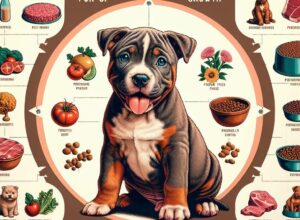
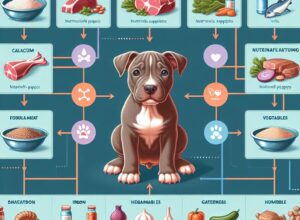
Introducing a rotational diet for your Pitbull puppy can enrich their eating experience by preventing boredom and ensuring a diverse intake of essential nutrients such as proteins, fats, and vitamins. Start with gradual changes to their meals, always choosing high-quality, puppy-specific foods, and carefully monitor for any allergic reactions or digestive issues to maintain optimal…
-
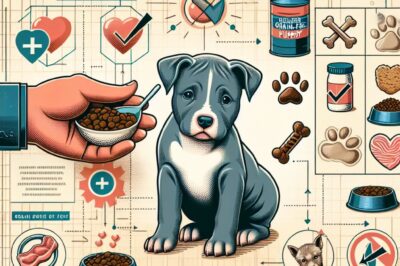
Pitbull Puppy Diet Myths & Grain-Free Nutrition Benefits
Grains can contribute essential nutrients to a Pitbull puppy’s diet, debunking common myths that portray grain-free options as inherently superior. Careful examination of food labels and consultation with a veterinarian are crucial to navigating marketing gimmicks and ensuring a diet that meets the unique nutritional needs of your puppy.
-
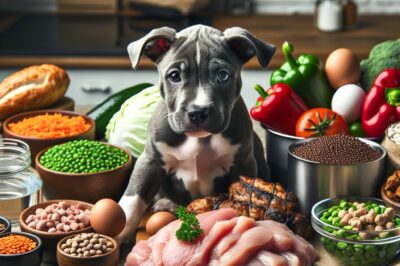
What’s the Impact of High-Protein Diets on Pitbull Puppy Kidney Health?
While a balanced high-protein diet is crucial for supporting a Pitbull puppy’s growth and muscle development, excessive protein can strain their kidneys and lead to health complications. It is vital to tailor protein intake to the puppy’s age, activity level, and specific health needs, with regular veterinary consultation to ensure their diet supports their overall…
-
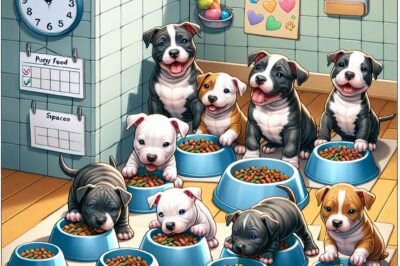
The Benefits of a Scheduled Feeding Routine for Pitbull Puppies
Implementing a consistent feeding schedule for your Pitbull puppy, with three to four meals a day until six months of age, ensures they receive the proper nutrition necessary for healthy growth and development. This regularity not only aids in preventing obesity and digestive issues but also supports effective house training.
-
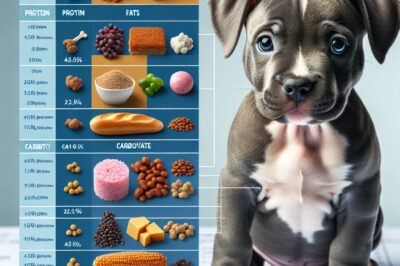
Pitbull Puppy Diet for Macronutrient Science & Balanced Nutrition Guide
Feeding your Pitbull puppy a balanced diet rich in protein from real meats like chicken, beef, or fish, along with healthy fats and carbohydrates, is essential for their muscle development and high energy levels. Understanding food labels and portion sizes is also crucial to ensure your puppy’s nutritional needs are met for optimal growth and…
-

Pitbull Puppy Diet’s Impact on Behavior & Training
Providing your pitbull puppy with an antioxidant-rich diet is crucial for their immune system and overall health. Antioxidants help protect your puppy’s body from the damaging effects of free radicals, promoting long-term well-being.
-
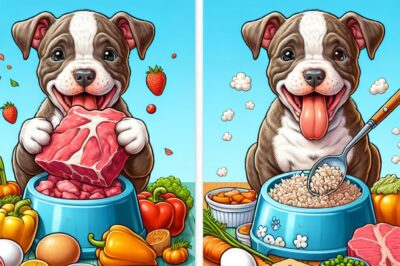
Raw vs. Cooked Diets: What’s Better for Your Pitbull Puppy?
Choosing the best diet for your pitbull puppy is essential for their growth and development. Both raw and cooked diets have their benefits and drawbacks, making it crucial to understand which option is best suited for your puppy’s needs.
-

Importance of Antioxidant-Rich Diets for Pitbull Puppies
Providing your pitbull puppy with an antioxidant-rich diet is crucial for their immune system and overall health. Antioxidants help protect your puppy’s body from the damaging effects of free radicals, promoting long-term well-being.
-
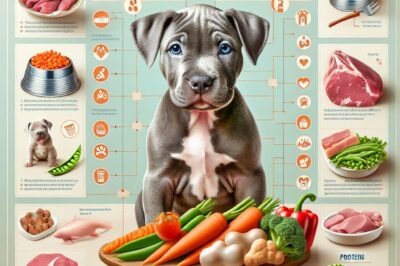
Pitbull Puppy Low-Fat Diet Choices: Best Nutrition Plans & Healthy Options
For pitbull puppies with specific health needs, a low-fat diet can be essential, but it must still be rich in protein and balanced with essential fatty acids and carbohydrates to support proper growth. This guide discusses the importance of portion control, maintaining a consistent feeding schedule, and choosing commercial low-fat dog foods with high-quality ingredients.…
-
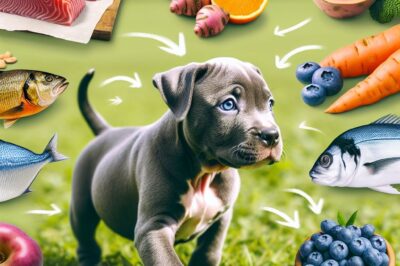
The Impact of a Good Diet on Pitbull Puppy Coat and Skin Health
A well-balanced diet rich in proteins, fats, and carbohydrates is crucial for maintaining the coat and skin health of a pitbull puppy. Incorporating omega-3 and omega-6 fatty acids can enhance the luster of your puppy’s coat and improve skin condition. This guide also covers managing food allergies with hypoallergenic diets, adjusting nutritional intake as your…