-

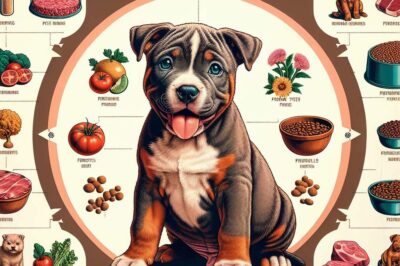
Pitbull Puppy Bone Health: The Importance of Calcium & Phosphorus
Calcium and phosphorus play critical roles in the healthy bone development of Pitbull puppies, requiring a diet that maintains a balanced ratio of these minerals to support optimal skeletal growth. While these nutrients are readily available in commercial dog foods and natural sources, it’s crucial to avoid over-supplementation and regularly consult with a veterinarian to…
-
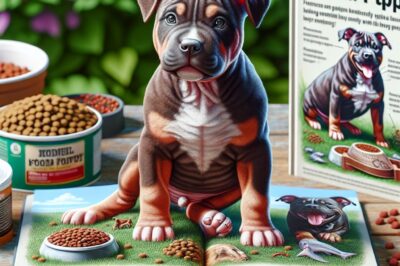
Building Strong Bones & Bodies: Expert Tips for Feeding Your Pitbull Puppy
Understanding and meeting the unique dietary needs of Pitbull puppies are crucial for their robust growth and development. A balanced diet rich in carefully sourced protein, appropriate amounts of fats and carbohydrates, and essential hydration, vitamins, and minerals ensures they build strong bones and healthy bodies while avoiding obesity.
-

Rotational Diet Plans for Pitbull Puppies
Introducing a rotational diet for your Pitbull puppy can enrich their eating experience by preventing boredom and ensuring a diverse intake of essential nutrients such as proteins, fats, and vitamins. Start with gradual changes to their meals, always choosing high-quality, puppy-specific foods, and carefully monitor for any allergic reactions or digestive issues to maintain optimal…
-
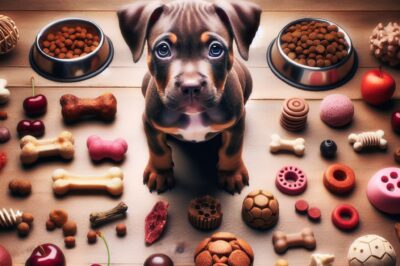
Checking Choking Hazards in Pitbull Puppy Diets
Pitbull puppies, with their innate curiosity, are at high risk for choking on items like small toys, human foods, and unsuitable chew treats. It is critical for pet owners to recognize the signs of choking, know the immediate steps to take in response, and understand how to perform the Heimlich maneuver to ensure their puppy’s…
-
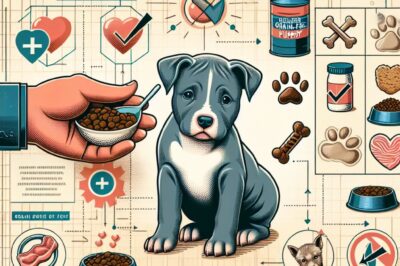
Pitbull Puppy Diet Myths & Grain-Free Nutrition Benefits
Grains can contribute essential nutrients to a Pitbull puppy’s diet, debunking common myths that portray grain-free options as inherently superior. Careful examination of food labels and consultation with a veterinarian are crucial to navigating marketing gimmicks and ensuring a diet that meets the unique nutritional needs of your puppy.
-
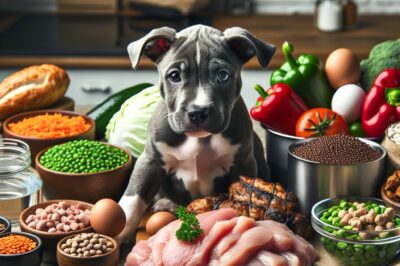
What’s the Impact of High-Protein Diets on Pitbull Puppy Kidney Health?
While a balanced high-protein diet is crucial for supporting a Pitbull puppy’s growth and muscle development, excessive protein can strain their kidneys and lead to health complications. It is vital to tailor protein intake to the puppy’s age, activity level, and specific health needs, with regular veterinary consultation to ensure their diet supports their overall…
-
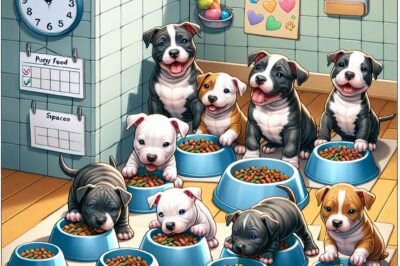
The Benefits of a Scheduled Feeding Routine for Pitbull Puppies
Implementing a consistent feeding schedule for your Pitbull puppy, with three to four meals a day until six months of age, ensures they receive the proper nutrition necessary for healthy growth and development. This regularity not only aids in preventing obesity and digestive issues but also supports effective house training.
-
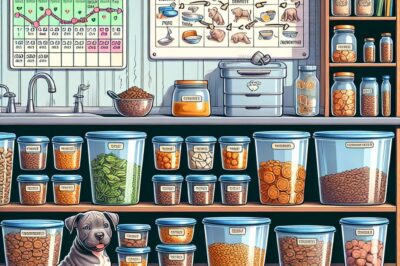
Puppy Food Storage and Freshness: Best Practices
To ensure your Pitbull puppy’s food remains fresh and nutritionally intact, store it in airtight containers in a cool, dry place away from sunlight. Regularly inspecting the food for spoilage and choosing the right storage materials are essential steps to safeguard your puppy’s health and well-being.
-
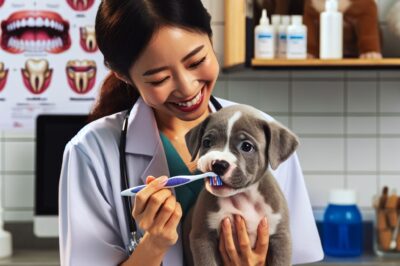
Pitbull Puppy Dental Care: Best Nutrition Tips for Healthy Teeth
A balanced diet enriched with nutrients crucial for dental health, coupled with regular chewing on suitable toys, helps maintain your Pitbull puppy’s teeth cleanliness. Implementing early and consistent dental care routines, including regular brushing and professional check-ups, is essential to prevent dental issues and ensure a healthy set of teeth as your puppy grows.
-
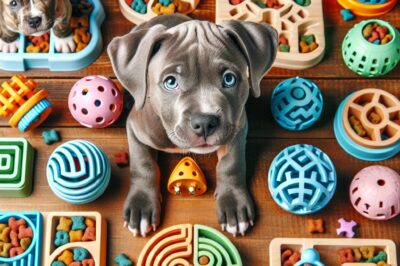
Best Pitbull Puppy Food Puzzles for Mental Stimulation & Slow Feeding
Food puzzles not only aid in the cognitive development of Pitbull puppies but also help prevent boredom and destructive behavior by providing an engaging challenge. Selecting puzzles made of durable materials and suitable difficulty levels ensures they are both stimulating and safe for enthusiastic, strong-jawed pups.