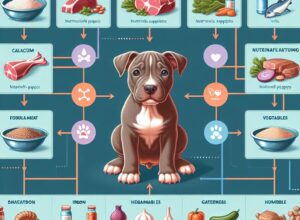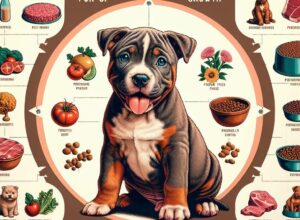
When raising a healthy and robust pitbull puppy, nutrition takes center stage. A high-fiber diet can be a game-changer for your growing pup, ensuring they get the right balance of nutrients for optimal development. So, let’s dive into fiber and its benefits for your pitbull puppy.
Key Takeaways
- Fiber is crucial for a pitbull puppy’s digestive health and can prevent common issues like diarrhea and constipation.
- There are two types of fiber – soluble and insoluble – both of which are important for your puppy’s diet.
- Vegetables, healthy grains, and certain commercial puppy foods are excellent high-fiber sources.
- A gradual transition to a high-fiber diet is essential to avoid digestive upset.
- Breed-specific nutritional needs should be considered when adjusting fiber intake as your pitbull puppy grows.
Fiber-Fueled Vitality for Your Pitbull Puppy
Why focus on fiber? Well, fiber supports a myriad of bodily functions, from digestion to blood sugar regulation. For a pitbull puppy, whose energy levels and growth rates are high, a balanced intake of fiber can make all the difference in their health and happiness.
Growth and Development Benefits from High Fiber
During their puppy years, pit bulls experience rapid growth, which requires a diet that supports their developing muscles, bones, and organs. A high-fiber diet can aid in their growth by:
- Enhancing digestive health and nutrient absorption.
- Keeping them feeling full, prevents overeating and obesity.
- Regulating blood sugar is particularly important for energetic breeds like pit bulls.
Most importantly, a well-adjusted fiber intake contributes to a robust immune system, helping your puppy ward off illnesses as they explore the world around them.
Understanding Fiber’s Role in Puppy Nutrition
Fiber, often overlooked in pet diets, is a non-digestible carbohydrate that plays a crucial role in the overall health of your pitbull puppy. It aids in healthy bowel movements and helps maintain a clean digestive tract, which is the foundation of a strong immune system.
Components of a High-Fiber Puppy Diet
Now that we know why fiber is essential, let’s explore what a high-fiber diet for a pitbull puppy includes. We’re aiming for a blend of soluble and insoluble fibers, each serving a unique purpose in your puppy’s health.
Identifying Quality Sources of Fiber
Quality is key when it comes to fiber sources. Here’s what to look for: For a deeper understanding, read about the importance and benefits of omega-3 fatty acids in your pitbull puppy’s diet.
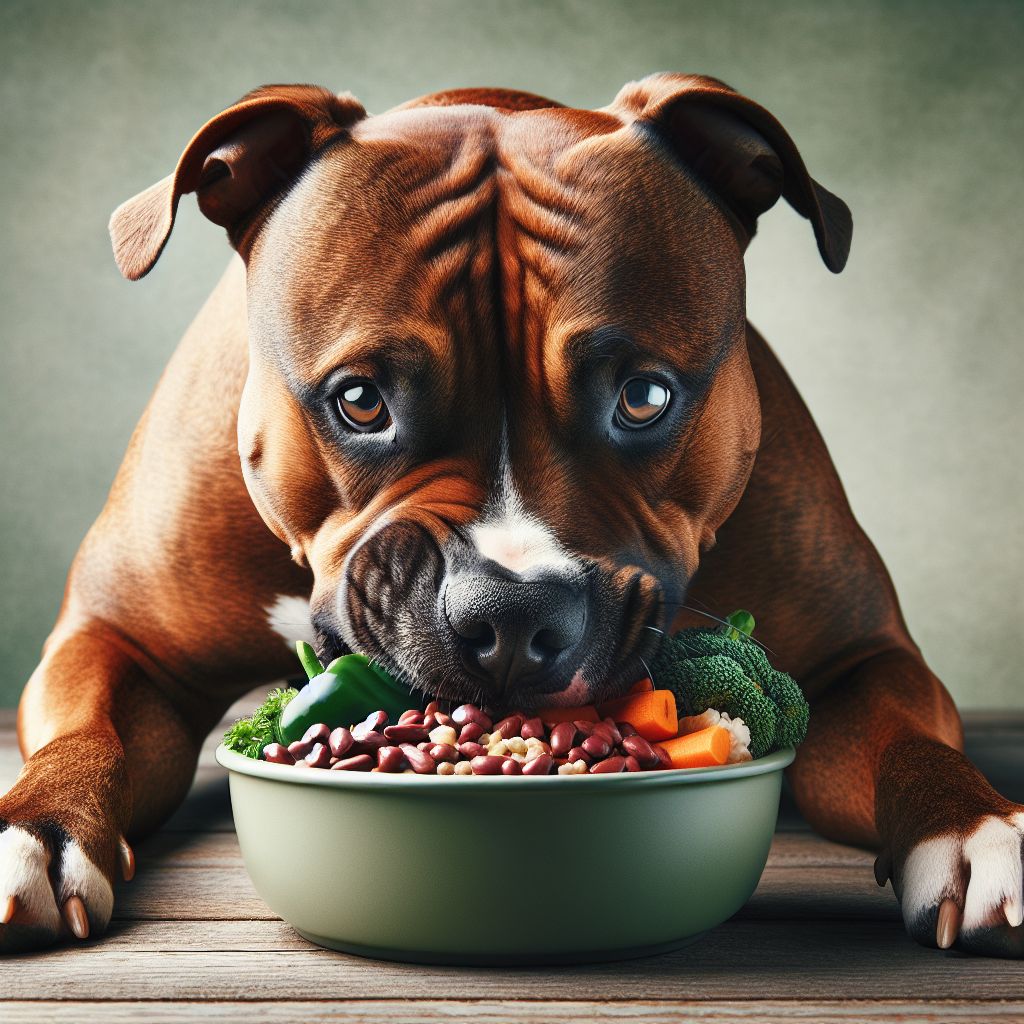
- Whole vegetables like carrots and green beans, provide vitamins and minerals in addition to fiber.
- Whole grains such as brown rice and barley, offer complex carbohydrates and additional nutrients.
- Specialized high-fiber puppy food formulas that are designed with a growing pitbull’s dietary needs in mind.
Remember, always choose fresh, whole-food sources of fiber over processed options to avoid unnecessary additives.
Comparing Soluble vs. Insoluble Fibers
Soluble fiber dissolves in water and helps to soften your puppy’s stools, making it easier for them to pass. Insoluble fiber, on the other hand, does not dissolve in water and adds bulk to the stool. Both are important for a healthy digestive system.Good sources of soluble fiber for your pitbull puppy include oats and apples, while insoluble fiber can be found in vegetables like pumpkin and sweet potatoes.
No-Go Ingredients: What to Avoid
While we focus on what to add to your pitbull puppy’s diet, it’s equally important to know what to avoid:
- High-fat foods can cause pancreatitis and obesity.
- Artificial additives and sweeteners offer no nutritional value and can be harmful.
- Onions, garlic, and grapes, which are toxic to dogs.
Steer clear of these ingredients to ensure your puppy’s high-fiber diet is safe and beneficial.
Setting Up a Feeding Schedule
Consistency is crucial for your pitbull puppy’s diet. A regular feeding schedule not only aids in digestion but also provides a sense of security for your puppy.
Determining the Right Portions
Portion control is essential. Overfeeding can lead to obesity while underfeeding can hinder growth. For pitbull puppies, the right amount of high-fiber food depends on their age, weight, and activity level. Start with the recommended guidelines on the puppy food packaging and adjust as needed with your vet’s guidance.
Remember, a well-fed pitbull puppy is an energetic and happy one. Let’s ensure we’re providing them with the best start in life by focusing on a balanced, high-fiber diet.
Frequency of Feeding for Optimal Health
Young puppies typically need to eat three to four times a day. As they grow, you can gradually reduce feeding to twice daily. Consistent meal times not only help regulate their digestion but also provide a comforting routine. For fiber-rich diets, this regularity is especially important, as it helps manage the slow and steady digestion of high-fiber foods, maintaining energy levels and preventing hunger pangs.
Transitioning to High-Fiber Foods
Transitioning your pitbull puppy to a high-fiber diet should be a careful process. A sudden change in diet can lead to digestive issues like diarrhea or constipation. To avoid this, start by mixing a small amount of the new, high-fiber food with their current food. Over a week or two, gradually increase the proportion of the new food while decreasing the old food.
This slow transition gives your puppy’s digestive system time to adjust to the increased fiber content, ensuring that they can fully benefit from the nutrients without discomfort.
Introducing Fiber Gradually
When introducing more fiber into your pitbull puppy’s diet, do it gradually. Begin with a mix that’s around 75% old food and 25% new food, and over the next 7-14 days, increase the new food by increments of 25%. This slow introduction helps your puppy’s digestive system adjust without causing upset, which can lead to a smoother transition and better nutrient absorption.
It’s also wise to monitor your puppy’s stool during this time. Healthy stools are firm and well-formed, indicating that the fiber is doing its job without causing digestive distress.
Monitoring Your Puppy’s Digestive Response
Keep a close eye on your puppy’s digestion as you transition foods. Signs of a good response include regular, firm bowel movements and an eager appetite. If you notice loose stools or gas, or if your puppy is straining during bowel movements, these could be signs that the transition is moving too quickly, or that the fiber content is too high for them. In these cases, slow down the transition and consult with your vet for guidance.
Specific High-Fiber Foods for Pitbull Puppies
What specific foods should you include for a high-fiber diet? Here’s where you can get creative and ensure your puppy’s meals are not only nutritious but also enjoyable. For detailed feeding suggestions, consider the variety of options that can cater to your pitbull puppy’s taste and health needs.
Fresh vegetables like carrots, green beans, and pumpkin can be steamed, pureed, or served raw as crunchy treats. Apples (without seeds) are also a great source of soluble fiber, which can help with digestion.
Vegetables: Types and Preparation
When it comes to vegetables, variety is key. Some excellent high-fiber options include:
- Carrots: A crunchy snack that’s good for the teeth and rich in fiber.
- Green beans: Can be mixed in with their regular food for a fiber boost.
- Pumpkin: A good source of soluble fiber; make sure it’s pure pumpkin and not pie filling.
Remember to introduce new vegetables slowly and in small quantities to monitor for any adverse reactions.
Healthy Grains for Puppies
While grains are often debated in the dog food world, healthy grains like brown rice and oatmeal can be beneficial for your pitbull puppy’s diet. These grains provide soluble fiber, which helps regulate blood sugar and can aid in digestion. As with any new food, introduce grains slowly and in moderation to ensure they don’t cause any digestive upset.
Commercial Puppy Foods With High Fiber Content
There are many commercial puppy foods available that are formulated with high fiber content. When choosing a commercial food, look for brands that list whole foods like sweet potatoes, peas, or chickpeas high on the ingredient list. These ingredients not only provide the necessary fiber but also contribute to the overall nutritional value of the food. For a detailed feeding guide, consider reading about healthy 50 lb Pitbull puppy diet plans and nutrition guides.
Reading labels is crucial – avoid foods with fillers like corn and wheat, which can be harder for your puppy to digest and offer less nutritional value.
Addressing Pitbull Puppy’s Unique Nutritional Needs
Each breed has unique dietary requirements, and pitbull puppies are no exception. They are a high-energy breed that tends to grow rapidly, so their diet needs to support both their energy needs and their muscular build.
Therefore, the high-fiber diet for a pitbull puppy should also be rich in quality proteins and healthy fats to support their growth and provide them with the energy they need.
Breed-Specific Considerations
For pitbull puppies, it’s important to balance fiber with their overall diet. Their food should be high in protein to support muscle development and contain enough calories to sustain their energy levels. However, the fiber content should not be so high that it interferes with the absorption of other important nutrients like protein and fat.
Always consult with a veterinarian to tailor your puppy’s diet to their specific needs, which can vary based on their activity level, growth rate, and any health concerns.
Adjusting Fiber Intake with Age
As your pitbull puppy grows, their dietary needs will change. Puppies generally require more calories and nutrients than adult dogs because they are still growing. As they transition to adulthood, their fiber needs may decrease, but it remains an important part of their diet for maintaining good digestive health.
Keep in touch with your vet to adjust your dog’s diet as they age, ensuring they always have the right balance of nutrients to support their health and vitality.
FAQs
How Much Fiber is Too Much for a Puppy?
It’s essential to find a balance in your puppy’s fiber intake. While fiber is beneficial, too much can lead to issues such as diarrhea, constipation, or nutrient malabsorption. Puppies generally require about 5% fiber in their diet, but this can vary depending on the individual dog and their health. Always consult with your vet to determine the ideal amount of fiber for your pitbull puppy.
Can High Fiber Help with My Puppy’s Weight Management?
Absolutely! High-fiber foods tend to be less energy-dense, which means they have fewer calories for the same volume of food. This can help your puppy feel full without consuming too many calories, which is especially useful for breeds like pit bulls that are prone to obesity. Combine this with regular exercise, and you have a solid strategy for keeping your puppy at a healthy weight.
Are There Any Risks in Feeding a Puppy Too Much Fiber?
While fiber is crucial, there is such a thing as too much of a good thing. Excessive fiber can interfere with the absorption of other important nutrients and lead to a deficiency. Too much fiber can also cause digestive discomfort and gas. It’s all about moderation and observing how your puppy responds to their diet.
- Start with recommended amounts and adjust as needed.
- Watch for signs of digestive discomfort or changes in stool quality.
- Consult with your vet if you’re unsure about the right fiber levels.
What Are the Signs of a Good High-Fiber Diet Response?
When your pitbull puppy is thriving on a high-fiber diet, you’ll notice several positive signs. Their stools will be firm and regular, they’ll have a healthy appetite, and they’ll maintain a consistent weight. You may also observe that they have more stable energy levels throughout the day, which is a sign of good blood sugar regulation thanks to the fiber.
Another good sign is a shiny coat and healthy skin, which indicates overall good nutrition and absorption of essential fatty acids and vitamins.
How Can I Tell if My Puppy Is Not Tolerating the High-Fiber Diet Well?
If your puppy isn’t tolerating a high-fiber diet well, you’ll likely see signs in their digestive health. Loose stools, increased gas, or a decrease in appetite can all be indicators. If you notice any of these signs, it’s important to reassess your diet. Sometimes, all it takes is a slight adjustment to the amount of fiber they’re consuming. In other cases, you may need to consider other dietary changes.
Always pay close attention to your puppy’s behavior and physical condition, and don’t hesitate to seek advice from your vet if you have concerns. They can provide personalized guidance to ensure your pitbull puppy’s nutritional needs are being met for their best growth and development.
Understanding the dietary needs of your pitbull puppy is crucial for their development. A high-fiber diet can contribute to better digestion and more consistent energy levels. It’s important to balance their diet with the right amount of protein, fats, and carbohydrates, while also considering the nutrition guide for a healthy weight. Regular vet check-ups and monitoring your puppy’s growth can help prevent health issues related to poor nutrition such as hip dysplasia, which is common in pit bulls. Additionally, a varied diet can help prevent pica and other behavioral issues.