Key Takeaways
- Antioxidants are essential for supporting a pitbull puppy’s immune system and overall health.
- Natural sources of antioxidants for puppies include fruits and vegetables like blueberries, carrots, and spinach.
- It’s important to choose high-quality commercial dog foods that include natural antioxidants in their formulations.
- Introducing antioxidants early in a puppy’s diet can help combat the damaging effects of free radicals.
- Monitoring your pitbull puppy’s health and behavior can indicate whether their antioxidant intake is sufficient.
Raising the Bar: Optimal Nutrition for Your Pitbull Puppy
As a devoted pet parent, you’re always on the lookout for ways to ensure your pitbull puppy grows up strong, healthy, and full of life. One key component of achieving this is by focusing on their diet, particularly the inclusion of antioxidants. But why are these nutrients so important, and how can you incorporate them into your puppy’s meals effectively? Let’s dive in and discover how to boost your pitbull’s vitality through the power of antioxidants.
Defining Antioxidants and Their Role in Puppy Health
First things first, let’s clarify what antioxidants are. Simply put, antioxidants are molecules that fight off free radicals in the body. Free radicals are unstable atoms that can damage cells, leading to illness and aging. For your growing pitbull puppy, antioxidants are like the body’s own team of superheroes, protecting their cells from harm and supporting their developing immune system.
But how do antioxidants work their magic? They neutralize free radicals, preventing them from causing cellular damage. This is crucial during your puppy’s growth phase, as their body is rapidly producing new cells and tissues. By ensuring a diet rich in antioxidants, you’re providing an extra layer of defense against potential health issues.
The Power Trio: Vitamins A, C, and E
When we talk about antioxidants, we’re often referring to a group of vitamins that are particularly adept at safeguarding the body. The power trio of vitamins A, C, and E play starring roles:
- Vitamin A: Supports vision, skin health, and immune function.
- Vitamin C: Vital for collagen production and also boosts the immune system.
- Vitamin E: Protects cell membranes and supports heart health.
Each of these vitamins brings something special to the table, and they’re most effective when they work together. That’s why a balanced diet with a variety of antioxidant sources is key.
Vitality Boosters: Adding Antioxidants to Your Puppy’s Diet
Now that we understand the importance of antioxidants, let’s explore how to incorporate them into your pitbull puppy’s diet. While supplements are available, the best approach is to provide these nutrients through whole foods. This ensures your puppy benefits from a complete spectrum of vitamins and minerals, as nature intended.
Natural Sources: Fruits and Veggies Fit for a Pitbull
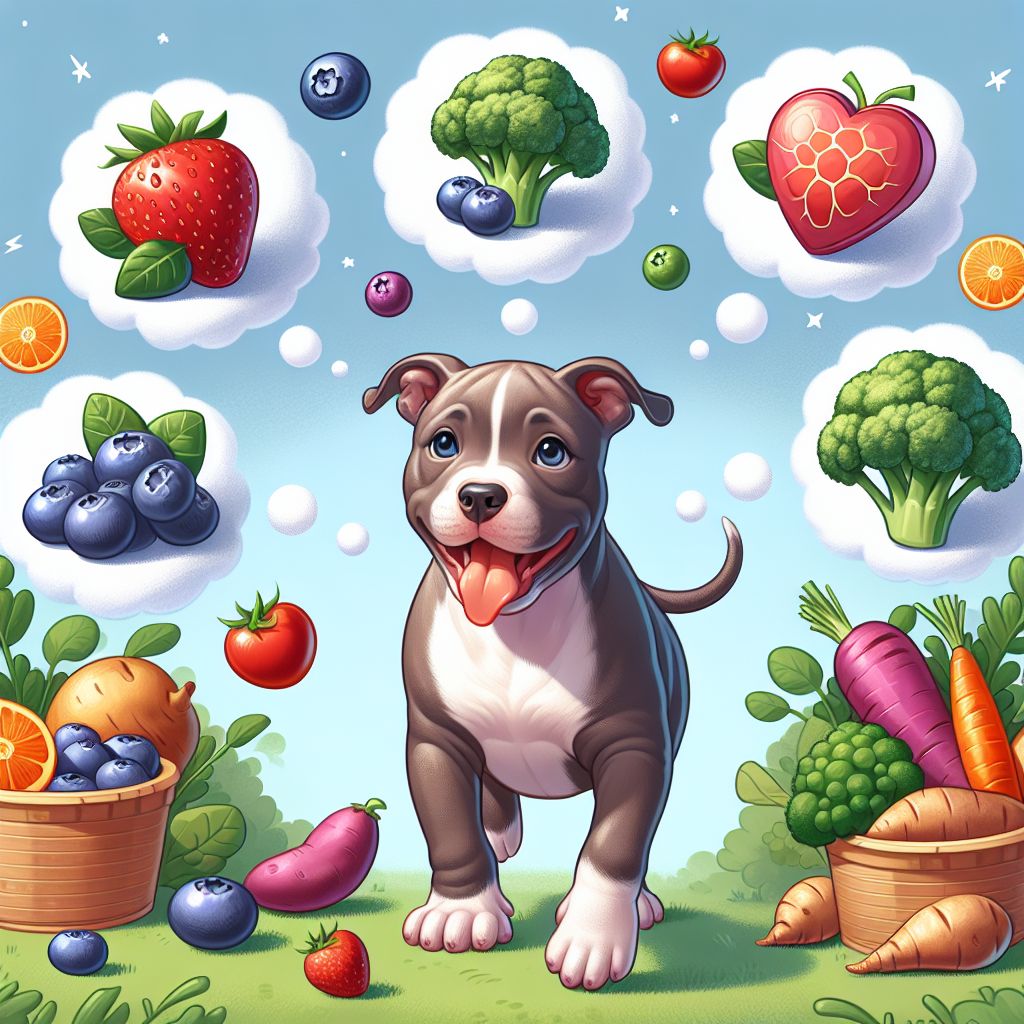
Believe it or not, many of the fruits and veggies you enjoy can also be a healthy addition to your puppy’s bowl. Here are some great options that are both safe and beneficial for pitbull puppies:
- Blueberries: Packed with antioxidants and a perfect bite-sized treat.
- Carrots: Crunchy and full of beta-carotene, which converts to vitamin A.
- Spinach: Loaded with vitamins A, C, and E, plus iron and calcium.
Remember, moderation is key. Introduce new foods slowly and in small quantities to avoid upsetting your puppy’s stomach.
Commercial Foods: Understanding Labels and Choosing Wisely
When selecting commercial dog food, it’s essential to read the labels carefully. Look for foods that list real meat, fruits, and vegetables within the first few ingredients. These foods are more likely to contain natural antioxidants without the need for synthetic supplements. High-quality dog food brands often highlight their inclusion of antioxidants right on the packaging.
Most importantly, always choose a puppy formula that’s appropriate for your pitbull’s age and size. These formulas are designed to support rapid growth and development, including the right balance of antioxidants for a robust immune system.
Because the world of dog food can be complex, it helps to talk to your vet about which brands and ingredients they recommend. They can help you navigate the choices and find a food that’s just right for your growing pitbull.
Guardians of Health: How Antioxidants Protect Your Pitbull Puppy
Antioxidants are more than just a buzzword in the world of pet health; they’re the guardians of your pitbull puppy’s well-being. These mighty molecules play a pivotal role in maintaining your pup’s vitality, which is why they should have a prime spot in their diet.
Combatting Cell Damage: Free Radicals and Their Impact
Free radicals are the natural byproducts of energy production in your puppy’s body, but when they accumulate in excess, they can lead to oxidative stress. This stress can harm cells, proteins, and even DNA. Antioxidants are crucial because they stabilize free radicals, preventing them from causing this cellular havoc. Therefore, a diet rich in antioxidants is like giving your pitbull puppy an internal shield against a cascade of potential health issues.
It’s not just about preventing problems. Antioxidants also play a role in healing and recovery. If your puppy gets injured or falls sick, antioxidants can help repair the damage and get them back on their paws faster.
Immunity Building: Fortifying Your Puppy Against Diseases
Besides neutralizing free radicals, antioxidants have a direct impact on your pitbull puppy’s immune system. They enhance the body’s natural defense mechanisms, making it easier for your pup to ward off infections and diseases. This is particularly important in the early stages of life when their immune system is still developing. By bolstering it with antioxidants, you’re setting your puppy up for a healthier, more resilient life.
Antioxidant-Rich Menu Planning
Knowing the importance of antioxidants is one thing; implementing them into your pitbull puppy’s diet is another. The good news is that with a little planning, it’s easy to ensure your puppy gets a daily dose of these vital nutrients. For inspiration, consider incorporating some of the best diet fruits and vegetables into your pitbull puppy’s meals.
Homemade Treats: Safe and Nutritious Ideas
Homemade treats are a fantastic way to control exactly what goes into your puppy’s diet and can be a fun way to bond with your pet. For more inspiration, explore these safe and nutritious ideas:
- Pumpkin puree frozen in ice cube trays for a cool, antioxidant-rich treat.
- Dehydrated sweet potato slices for a chewy, vitamin-packed snack.
- Steamed green beans chopped into bite-sized pieces for a low-calorie, vitamin-rich reward.
Remember to introduce new treats slowly to ensure they agree with your puppy’s digestive system and to keep treats to less than 10% of their total daily food intake.
Balance and Moderation: Key Principles in Diet Planning
While antioxidants are essential, they’re just one piece of the nutritional puzzle. Balance and moderation are the key principles when planning your pitbull puppy’s diet. This means providing a variety of nutrients in the right amounts to support all aspects of your puppy’s growth and development.
Work with your veterinarian to understand the specific needs of your pitbull breed, which is known for being muscular and active. They can guide you on the proper balance of proteins, fats, carbohydrates, vitamins, and minerals, along with antioxidants, to create a comprehensive diet plan.
Monitoring Progress: The Effects of Antioxidants Over Time
As you focus on feeding your pitbull puppy an antioxidant-rich diet, it’s important to monitor their progress and health over time. This helps you see the positive effects of your efforts and make any necessary adjustments.
Physical Milestones: What to Look For
As your puppy grows, you’ll want to watch for key physical milestones that can indicate their diet is supporting their development effectively. Look for a glossy coat, clear eyes, and healthy skin, which are all signs of good nutrition. Also, keep an eye on their energy levels and growth rate to ensure they’re on track for their age and breed.
Behavioral and Cognitive Developments
Antioxidants don’t just affect the body; they can also impact the mind. Puppies on a diet rich in antioxidants may show improved cognitive function, including better attention, memory, and problem-solving skills. So, if you notice your pitbull puppy seems particularly alert and trainable, their diet could be playing a part in their sharpness.
FAQs
You’ve got questions, and it’s my job to provide the answers. Let’s tackle some of the most common queries about antioxidants in your pitbull puppy’s diet to ensure you’re fully equipped to provide the best nutrition for your furry friend.
How Can I Tell If My Puppy Is Getting Enough Antioxidants?
One of the simplest ways to gauge if your pitbull puppy is getting enough antioxidants is by observing their overall health and energy levels. A puppy with a vibrant coat, clear eyes, and an enthusiastic demeanor is likely on the right track. However, if you notice signs like frequent infections, a dull coat, or lethargy, it could indicate that their diet needs a closer look. When in doubt, consulting with your veterinarian is the best course of action.
Here’s an example of what to look for in your puppy’s behavior and appearance as signs of adequate antioxidant intake:
“My pitbull puppy, Rex, has a shiny coat, bright eyes, and boundless energy. He’s also been quick to learn new tricks, which makes me confident that his diet, rich in antioxidants from a variety of sources, is supporting his health and development beautifully.”
Remember, while these signs can be indicators of good health, they’re not definitive proof. Regular check-ups with your vet are essential to ensure your puppy is on the right track nutritionally.
Are There Any Risks Associated with Antioxidant Supplements?
While antioxidants are crucial for health, more isn’t always better. Excessive intake, particularly from supplements, can lead to an imbalance and might even be harmful. For instance, too much vitamin A can cause toxicity, and excessive vitamin E can interfere with blood clotting. Therefore, it’s vital to stick to the recommended amounts and to prefer a diet that provides antioxidants through natural food sources. If you’re considering supplements, do so only under the guidance of your veterinarian.
Which Types of Commercial Dog Food Are Best for Antioxidant Inclusion?
Choosing the right commercial dog food for your pitbull puppy is critical. The best options will contain a balanced blend of antioxidants from natural sources like fruits, vegetables, and lean meats. Look for brands that prioritize whole foods and clearly state the inclusion of antioxidants. Avoid those with vague ingredient lists or a reliance on synthetic additives. As a rule of thumb, the simpler and more transparent the ingredient list, the better the food is likely to be for your puppy’s health.
Can Human Foods Rich in Antioxidants Be Given to Puppies?
Yes, some human foods that are high in antioxidants can be excellent additions to your pitbull puppy’s diet, but always in moderation and as part of a balanced diet. Foods such as blueberries, cooked carrots, and apple slices (without the seeds) can offer a boost of antioxidants. However, not all human foods are safe for dogs, so it’s essential to do your research and consult with your vet before sharing your snacks.
For instance, while grapes are rich in antioxidants for humans, they are toxic to dogs and should never be given to your puppy. Always err on the side of caution and when in doubt, ask a professional.
Are Antioxidants Necessary for Pitbull Puppies with Allergies?
For pitbull puppies with allergies, antioxidants can be even more critical. They help strengthen the immune system, which may be compromised in dogs with allergies. Antioxidants can also have anti-inflammatory properties, which can help manage allergic reactions. However, it’s crucial to avoid foods that trigger your puppy’s allergies, even if they’re high in antioxidants. Work closely with your vet to identify safe sources of antioxidants that won’t exacerbate your puppy’s allergic responses.