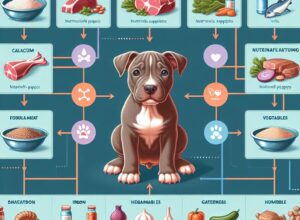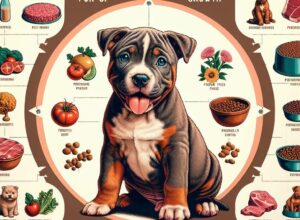
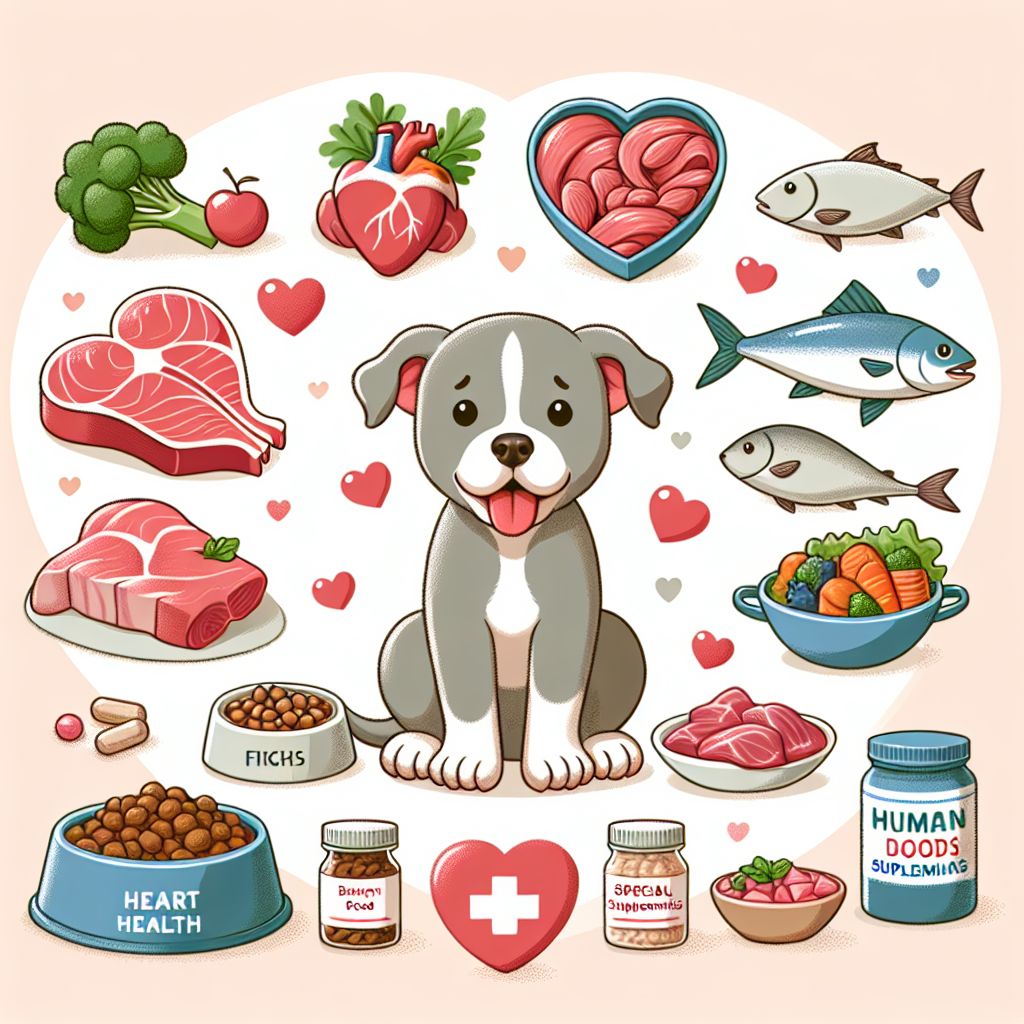
When it comes to our furry companions, especially those as lively and loyal as pitbull puppies, their health is a top priority. Just like us, what they eat has a profound impact on their well-being. This is particularly true for puppies with heart conditions. A tailored diet can be a game-changer for these young canines, supporting their heart health and overall vitality. Let’s dive into the specifics of what makes a diet heart-healthy for a pitbull puppy.
Key Takeaways
- Heart conditions in pitbull puppies require special dietary considerations to manage health effectively.
- A low-sodium diet is crucial for managing heart disease in dogs.
- Incorporating omega-3 fatty acids can support heart health and reduce inflammation.
- High-quality proteins, fiber, and specific vitamins and minerals are essential for a heart-healthy diet.
- Consulting with a veterinarian or a pet nutritionist is vital when making dietary adjustments for a puppy with a heart condition.
Feeding Pitbull Puppies for Heart Health
Let’s start with the basics. A heart-healthy diet for a pitbull puppy is designed to support the normal function of the cardiovascular system. This means carefully selecting foods that contribute positively to heart health, while avoiding those that might exacerbate any existing conditions.
The Role of Diet in Managing Heart Conditions
A well-considered diet can help manage and even mitigate the symptoms of heart conditions in pitbull puppies. The right food choices can reduce the workload on the heart, prevent fluid retention, and decrease the risk of further complications. It’s not just about what to include, but also what to limit.
Key Nutrients for Supporting a Healthy Puppy Heart
There are several key nutrients that are particularly important for heart health:
- Low Sodium: Sodium can cause water retention, which is something we want to avoid in heart conditions. It’s essential to choose foods with naturally low sodium content.
- Omega-3 Fatty Acids: These are anti-inflammatory and help to improve cardiovascular health.
- Quality Protein: Proteins are the building blocks of life, and for a growing puppy, they’re non-negotiable. However, the source and quantity of protein matter greatly.
- Fiber: It helps with digestion and maintaining a healthy weight, which is crucial for a dog with a heart condition.
- Vitamins and Minerals: Specific vitamins and minerals, like taurine, L-carnitine, and antioxidants, support heart muscle function and overall health.
Dietary Adjustments for Puppies with Heart Conditions
Adjusting your pitbull puppy’s diet in response to a heart condition is a delicate process. It’s not just about changing what they eat, but also how much and when they eat it. These adjustments are key to ensuring your puppy’s heart doesn’t have to work harder than it should.
Measuring the Right Amounts of Food
Portion control is essential. Overfeeding can lead to weight gain, which puts additional strain on the heart. To avoid this, measure your puppy’s food precisely and stick to the recommended amounts. If you’re unsure about the correct portion size, consult with your vet—they can provide guidance based on your puppy’s specific needs.
Example: For a pitbull puppy with a heart condition, a vet may recommend 2 cups of a specific low-sodium, heart-healthy dog food spread over two meals per day, rather than free-feeding.
Remember, each puppy is unique and may require different quantities based on their size, age, and the severity of their heart condition.
Feeding Times and Routines for Heart Health
Consistency is key when it comes to feeding times. Establishing a routine helps regulate your puppy’s metabolism and ensures that energy levels are maintained throughout the day without putting undue stress on the heart.
- Feed your puppy at the same times each day to create a predictable routine.
- Avoid vigorous exercise right after meals, which can be taxing on the heart.
- Provide fresh water at all times to keep your puppy well-hydrated.
These steps will help your puppy’s heart to function as efficiently as possible. For more detailed guidance, consider reading our nutrition guide for pitbull puppies.
Transitioning to a Heart-Healthy Diet
Switching your pitbull puppy’s diet should be done gradually to prevent digestive upset. Start by mixing a small amount of the new, heart-healthy food with their current food, and slowly increase the proportion over a week or so.
Example: If your puppy’s current diet is 3 cups of food daily, start by replacing 1/2 cup of the current food with the new formula and increase by 1/2 cup every two days until fully transitioned.
This slow transition also allows you to monitor your puppy’s acceptance of the new diet and adjust as necessary.
Monitoring Your Puppy’s Response to the Diet
As you introduce your pitbull puppy to a new diet, keep an eye out for any changes in their behavior or health. Weight, energy levels, and even mood can be indicators of how well the diet is supporting their heart condition.
Regular check-ins with your vet are important to assess the effectiveness of the dietary changes and make any necessary adjustments.
Supplemental Support for Heart Conditions
Beyond diet, certain supplements can offer additional support to a puppy with a heart condition. However, it’s critical to understand which supplements are beneficial and how to safely incorporate them into your puppy’s regimen.
Identifying Necessary Supplements
Supplements like taurine, L-carnitine, and omega-3 fatty acids are often recommended for heart health. But before adding anything new to your puppy’s diet, it’s important to identify what’s necessary. A blood test can reveal any deficiencies, which can then be addressed through supplementation.
How to Safely Add Supplements to Your Puppy’s Diet
When introducing supplements:
- Consult with your veterinarian to determine the appropriate type and dosage.
- Choose high-quality supplements specifically designed for dogs.
- Introduce supplements gradually, and monitor your puppy for any adverse reactions.
Correct supplementation can make a significant difference in managing your puppy’s heart condition.
Professional Guidance on Your Puppy’s Diet
Every puppy is different, and when it comes to managing a heart condition through diet, there’s no one-size-fits-all solution. That’s why it’s crucial to seek professional guidance.
When to Consult a Veterinarian
Always consult with a veterinarian before making any changes to your puppy’s diet, especially if they have a heart condition. They can provide personalized advice based on a thorough assessment of your puppy’s health. Together, you can develop a diet plan that supports your pitbull puppy’s heart and overall well-being.
By taking these steps, you’re not just feeding your puppy; you’re nurturing their heart and paving the way for a healthier, happier life. Remember, the love and care you put into managing their diet can make all the difference in the world to your pitbull’s health.
Working with a Nutritionist for a Balanced Diet
Working with a pet nutritionist can provide a roadmap to the best possible diet for your pitbull puppy with a heart condition. These experts can help tailor a feeding plan that meets all the nutritional needs without overburdening the heart. They can also suggest specific brands, homemade recipes, and the right balance of nutrients. Remember, their expertise is invaluable, especially when dealing with health issues that require a specialized diet.
FAQs
As a responsible pet owner, you’re bound to have questions about how best to support your pitbull puppy’s heart health through diet. Let’s address some of the most common queries.
What specific heart conditions can a special diet help manage in pitbull puppies?
Examples of heart conditions that can be managed with a special diet include congenital heart defects, such as pulmonic stenosis, and acquired conditions like dilated cardiomyopathy or valvular heart disease.
These conditions often lead to congestive heart failure, where the heart struggles to pump blood effectively. A heart-healthy diet can help alleviate the symptoms and potentially slow the progression of the disease.
A special diet can reduce the workload on the heart, manage blood pressure, and help control fluid buildup in the body. It’s a supportive strategy that, when combined with appropriate medical treatments, can significantly improve the quality of life for affected puppies.
How does a low sodium diet benefit a pitbull puppy with a heart condition?
A low sodium diet helps to prevent fluid retention, a common issue in dogs with heart disease. Excess fluid can lead to swelling and contribute to increased blood pressure, which makes the heart work harder. For more details on managing your pitbull puppy’s diet, check out our step-by-step transition guide to safely switching your pitbull puppy’s diet.
By limiting sodium, you help to regulate your puppy’s fluid balance, easing the strain on their heart and often reducing the need for medications.
- Avoid processed treats and human food, which are often high in sodium.
- Look for dog foods labeled as ‘low sodium’ or ‘heart health’ formulas.
- Always check with your vet before selecting a low sodium product to ensure it’s appropriate for your puppy’s specific condition.
Most importantly, a low sodium diet should be part of a comprehensive approach to managing your puppy’s heart condition, including regular veterinary check-ups and possibly medication.
Are there any risks associated with changing my pitbull puppy’s diet too quickly?
Yes, changing your puppy’s diet too rapidly can lead to gastrointestinal upset, including diarrhea and vomiting. A sudden change in diet can also cause stress to your puppy, which isn’t good for any dog, let alone one with a heart condition.
Therefore, it’s essential to transition to a new diet gradually over several days, allowing your puppy’s digestive system to adjust. This careful approach minimizes risks and ensures that your puppy accepts the new diet well.
What are the signs that my puppy is thriving on a heart-healthy diet?
Positive signs that your pitbull puppy is doing well on a heart-healthy diet include:
- Good energy levels and an eagerness to play and engage.
- A healthy weight, without excess fat that could strain the heart.
- A shiny coat and clear eyes, indicators of overall good health.
Additionally, you should see a reduction in any previous symptoms of heart disease, such as coughing or difficulty breathing. Regular vet visits will confirm that your puppy’s heart condition is being effectively managed with the help of their new diet.
Can supplements cure my pitbull puppy’s heart condition?
While supplements can be an important part of managing a heart condition, they are not a cure. Supplements like taurine and L-carnitine can support heart function, and omega-3 fatty acids can reduce inflammation, but they should be used as part of a broader treatment plan.
It’s crucial to have realistic expectations and understand that a heart condition is typically a lifelong issue that can be managed but not cured. With the right diet, supplements, and medical care, your pitbull puppy can enjoy a full and happy life.
In summary, feeding your pitbull puppy with a heart condition requires careful consideration and often a specialized diet. By focusing on low sodium, high-quality proteins, omega-3 fatty acids, and the correct balance of vitamins and minerals, you can support your puppy’s heart health. Always consult with your veterinarian or a pet nutritionist when making dietary changes, and remember that a slow and steady approach is best. With love and the right care, your pitbull puppy can thrive despite their heart condition.