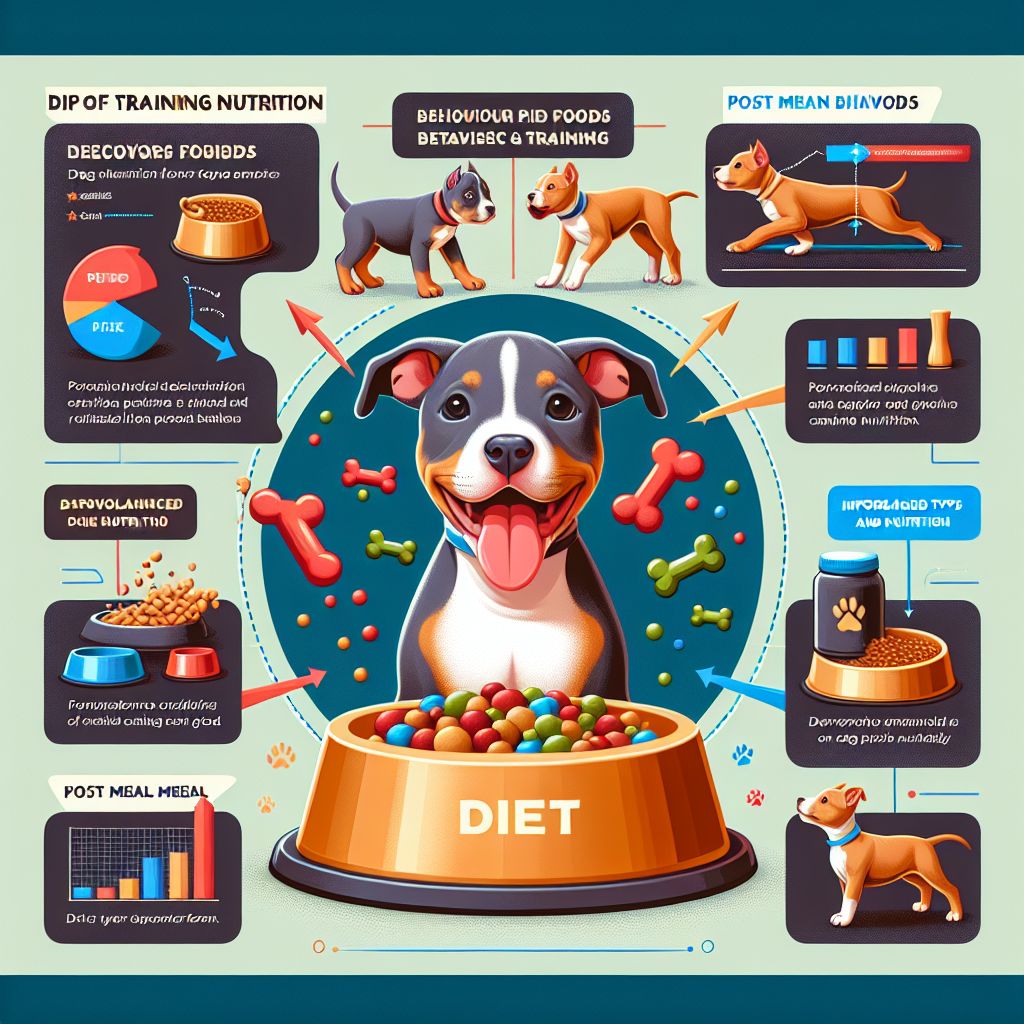
Article-at-a-Glance
- Understanding the nutritional needs of pitbull puppies is crucial for their training and behavior.
- A balanced diet impacts a pitbull puppy’s ability to learn and respond to training.
- Selecting the right food involves knowing the key nutrients required for a growing pit bull.
- Dietary choices can have both positive and negative effects on a puppy’s behavior.
- Integrating diet with training techniques can lead to a more focused and energetic pitbull puppy.
Feeding Your Future Champion: Nutrition and Behavior in Pitbull Puppies
When raising a well-behaved and trainable pitbull puppy, nutrition plays a starring role. It’s not just about filling their bowl; it’s about providing the right balance of nutrients that will help them grow into strong, healthy, and well-adjusted dogs. After all, a healthy puppy is a happy learner. Let’s dive into what a balanced pitbull puppy diet looks like and how it can significantly influence their behavior and receptiveness to training.
What a Balanced Pitbull Puppy Diet Looks Like
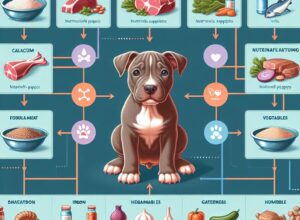
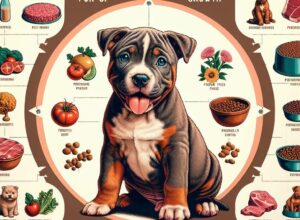
A balanced diet for your pitbull puppy should be rich in proteins, fats, carbohydrates, vitamins, and minerals. Proteins are the building blocks for growth, fats provide energy and support brain development, carbohydrates fuel their active lifestyle, and vitamins and minerals are essential for overall health. But it’s not just about the ingredients; it’s about the right proportions and quality of these nutrients.
- Protein: Look for high-quality animal proteins like chicken, beef, or fish as the first ingredient.
- Fats: Essential fatty acids, such as omega-3 and omega-6, are vital for a shiny coat and healthy skin.
- Carbohydrates: Whole grains or grain-free options like sweet potatoes provide energy and digestive support.
- Vitamins and Minerals: A good puppy food will be fortified with necessary vitamins and minerals for optimal growth.
It’s important to feed your pitbull puppy food that’s specifically formulated for puppies, not adult dogs because puppies have different nutritional needs during their rapid growth phase. The right puppy food will support their development without overloading their system with excess calories that can lead to obesity.
The Connection Between Good Nutrition and Trainability
Ever notice how your own focus wanes when you’re not eating right? The same goes for your pitbull puppy. A well-fed puppy with a balanced diet is more likely to have the energy and mental clarity needed for training. Nutrition directly affects their cognitive function, which in turn impacts their ability to process and retain new information.
Therefore, when you’re consistent with their diet, you’re also supporting their training regimen. A puppy that’s hungry or malnourished can become distracted or even agitated, making training sessions less effective. On the flip side, a properly nourished pitbull puppy will be more attentive, responsive, and eager to please during training.
Food Quality and Behavior Correlation
Just as athletes need the right fuel to perform, pitbull puppies require high-quality diets to ensure optimal behavior and training outcomes. The correlation between what your puppy eats and how they behave is strong. High-quality ingredients lead to better overall health, which sets the stage for better learning. On the other hand, a diet lacking in essential nutrients can lead to a host of behavioral challenges.
Adverse Effects of an Improper Puppy Diet
Feeding your pitbull puppy a diet that’s lacking in essential nutrients or is of poor quality can lead to various adverse effects:
- Low energy levels, can hinder their ability to engage in training and play.
- Difficulty in concentrating during training sessions, leading to slower learning.
- It increased irritability or aggression due to discomfort from potential digestive issues.
An improper diet may not only affect your puppy’s physical health but can also impact their mental state, making them less receptive to training. It’s crucial to strike the right balance in their meals to promote a calm and focused demeanor.
For example, a pitbull puppy that is fed a diet with insufficient protein may exhibit signs of lethargy and disinterest in activities they usually enjoy, including training sessions. This is because protein provides the energy necessary for them to remain alert and active.
Diet-Integrated Training Techniques
Integrating diet with training techniques is a smart way to leverage your pitbull puppy’s meal times to enhance their training. By aligning their feeding schedule with training activities, you can use their natural hunger to encourage focus and motivation.
Timing Meals with Training Sessions
One of the most effective strategies is to time your puppy’s meals around their training sessions. This doesn’t mean withholding food to make them hungry for training, but rather using meal times to your advantage.
- Feed your puppy a portion of their daily food allowance as a reward during training.
- Offer meals after a successful training session to reinforce positive behavior.
- Use feeding times to practice commands like “sit” and “stay” before placing the food bowl down.
By doing so, you create a positive association between obeying commands and getting their meal, which can significantly enhance the training process.
Using Healthy Treats as Positive Reinforcement
Using treats as a form of positive reinforcement is a well-established training method. However, it’s essential to use healthy treats to avoid any negative impact on your pitbull puppy’s diet. Look for treats that are:
- Low in calories to prevent weight gain.
- Made with natural ingredients for better health.
- Appropriate for their size and age to avoid choking hazards.
Remember, treats should not exceed more than 10% of your puppy’s daily caloric intake to maintain a balanced diet.
Adapting Diet for Energetic and Focused Training
Adapting your pitbull puppy’s diet to support energetic and focused training sessions is key. This might mean I am providing a small, nutritious snack before a training session to boost energy levels.
- Ensuring they have access to fresh water before, during, and after training to stay hydrated.
- They are adjusting the amount of food based on their activity level to maintain an ideal weight for agility and health.
By fine-tuning your puppy’s diet to their training needs, you help them to perform at their best, both mentally and physically.
Nailing your Pitbull’s Diet and Training Regimen
To truly nail your pitbull puppy’s diet and training regimen, it’s important to monitor their progress and be ready to make adjustments as needed. Pay close attention to their response to training, their energy levels, and their overall health. If you notice any changes in their behavior or performance, it may be time to reassess their diet.
Real-Life Successes: Diet and Training Transformations
There are countless stories of pitbull puppies transforming into well-behaved and responsive dogs with the help of a balanced diet and consistent training. These success stories often highlight the importance of a nutritious diet in conjunction with a solid training plan.
When to Adjust Your Approach
As your pitbull puppy grows and their training progresses, their dietary needs will change. It’s essential to:
- Consult with a veterinarian to ensure their diet is supporting their growth and training needs.
- Be observant of their behavior and performance during training sessions.
- Be flexible and willing to adjust their diet and training techniques as they develop.
Ultimately, the goal is to provide a diet that supports your pitbull’s training and behavioral development, leading to a well-rounded and obedient companion.
As you and your pitbull puppy embark on the journey of training, it’s important to remain vigilant about their diet. Their body and brains are developing rapidly, and the right nutrition can make a world of difference in their behavior and receptiveness to training. It’s not just about the commands you teach; it’s also about the meals you provide. Let’s explore the frequently asked questions that come up when integrating diet with training for your pitbull puppy.
FAQs
How Often Should a Pitbull Puppy Eat During Training Sessions?
During training sessions, it’s crucial to keep your pitbull puppy motivated and focused. This often means using treats as rewards. However, you want to avoid overfeeding. A good rule of thumb is to include the treats within their daily food allowance, breaking it up into small pieces to use throughout the session. Generally, puppies should eat three to four times a day, thus you can align shorter training sessions with these meal times.
Remember, treats are just part of the equation. The quality and timing of their regular meals are equally important. Puppies have high energy needs, but they also have small stomachs, so frequent, balanced meals are best for sustained energy and growth.
Can Certain Foods Help With Training Focus in Puppies?
Absolutely! Foods rich in omega-3 fatty acids, such as fish oil, can support brain health and may improve training focus in puppies. Additionally, complex carbohydrates provide a steady source of energy, which can help keep your pitbull puppy attentive during training sessions. Foods like blueberries, which are high in antioxidants, can also support cognitive function. Always introduce new foods gradually to avoid digestive upset.
It’s also worth noting that a hungry puppy can be distracted and difficult to train. Ensuring your pitbull puppy has a well-rounded diet that meets their nutritional needs can prevent hunger from becoming a distraction during training.
What Are the Signs of Dietary Intolerance in Pitbull Puppies?
Dietary intolerance can manifest in various ways, and it’s something you’ll want to keep an eye out for, especially since it can affect training. Signs of dietary intolerance in pitbull puppies may include:
- Chronic diarrhea or vomiting
- Excessive gas or bloating
- Skin irritations or hot spots
- Frequent ear infections
- Low energy or lethargy
If you notice any of these symptoms, consult with your veterinarian. They can help you identify the cause and adjust your puppy’s diet accordingly.
Should a Puppy’s Diet Change as They Get Older and Their Training Advances?
As your pitbull puppy grows and their training advances, their dietary needs will evolve. You’ll likely transition from puppy-specific formulas to adult dog food around the age of 12 to 18 months. This change should be gradual to avoid digestive upset. Also, as their training becomes more advanced and potentially more physically demanding, their diet may need to be adjusted to accommodate increased energy expenditure.
Keep an eye on their body condition and consult with your vet to ensure their diet supports their level of activity. A well-fed dog is a well-trained dog, and the right balance of nutrients will help maintain their health and energy levels as they grow.
How Can I Tell If My Pitbull Puppy’s Diet Is Affecting Their Behavior?
Observation is key. If your pitbull puppy is showing signs of hyperactivity, lack of focus, or irritability, their diet could be a contributing factor. Too much sugar or carbohydrates can lead to energy spikes and crashes, affecting their behavior. Conversely, a diet lacking in essential nutrients can lead to lethargy and a lack of interest in training.
Monitor their behavior, stool quality, coat condition, and overall energy levels. If you notice any negative changes, review their diet and consult with a veterinarian. Sometimes, a simple adjustment in what they eat can lead to significant improvements in their behavior and training progress.
Understanding the dietary needs of your pitbull puppy is crucial for their overall health and behavior. A well-balanced diet not only supports their physical development but also plays a significant role in their behavior and ability to learn during training sessions. It’s important to provide a diet that’s rich in essential nutrients to prevent issues such as malnutrition, which can affect your puppy’s energy levels and concentration. Additionally, certain foods can help minimize the risk of digestive problems that might distract your puppy or make them uncomfortable during training. Always consult with a veterinarian to create a tailored feeding plan that will help your pitbull puppy thrive both physically and mentally.