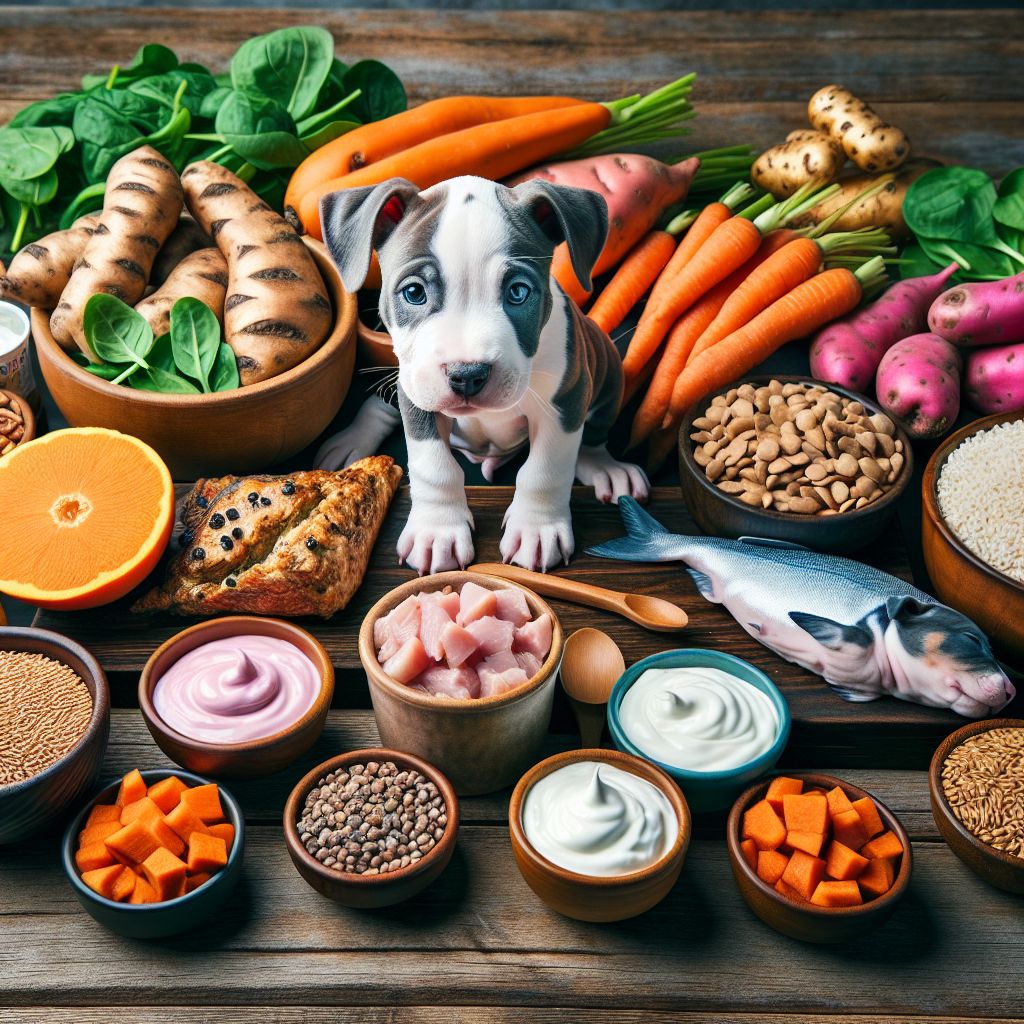
Key Takeaways
- A balanced diet rich in key nutrients is essential for a pitbull puppy’s immune system development.
- Antioxidants like Vitamin E and Vitamin C are crucial for a puppy’s immune defense.
- Probiotics and prebiotics support gut health, which is tied to immunity.
- Regular health checks and a vaccination schedule are non-negotiable for maintaining a pitbull puppy’s immune health.
- Over-supplementation can be harmful, so it’s important to follow vet-recommended dietary plans.
Puppyhood: The Formation of a Healthy Immune System
The first few months of a puppy’s life are critical for developing a robust immune system. For pitbull puppies, this period is especially important. They are a strong and energetic breed, and a well-functioning immune system is the foundation for a healthy, active life. Starting with the mother’s milk, which is rich in antibodies, puppies begin to build their defense mechanisms. As they wean off and transition to solid foods, the choices they make can significantly influence their immune health.
Why Pitbull Puppies Are Special and Why Nutrition Matters Even More
Pitbull puppies, with their muscular build and high energy levels, require a diet that’s not just calorie-dense, but also rich in nutrients that bolster their immune system. Since they can be prone to certain health issues like allergies and skin conditions, what they eat plays a pivotal role in preventing such problems. A pitbull puppy’s diet needs to be tailored to support robust growth and to lay the groundwork for a strong immune system that can fend off diseases.
Building Blocks of Immune Health
When it comes to building a strong immune system in pitbull puppies, it’s not just about feeding them more; it’s about feeding them right. Nutrients like protein, essential fatty acids, vitamins, and minerals work together to support the complex network that is the immune system. Protein is fundamental for repairing body tissues and creating antibodies. Essential fatty acids like omega-3s help reduce inflammation, which is crucial for preventing overreactions of the immune system.
Most importantly, a pitbull puppy’s diet should include antioxidants. These are substances that can prevent or slow damage to cells caused by free radicals. Free radicals are compounds formed when our bodies convert the food we eat into energy. They can also come from cigarette smoke, air pollution, and sunlight. Antioxidants like Vitamin E and Vitamin C help protect the body’s tissues from stress and inflammation, which can otherwise weaken the immune system.
For example, a diet that includes fish oil, which is high in omega-3 fatty acids, can support not just the immune system but also the puppy’s skin, coat, and joint health. Including foods rich in antioxidants can help manage inflammation and support the body’s natural defenses.
Besides that, your pitbull puppy’s gut health is a key player in their immune function. A healthy gut is teeming with beneficial bacteria that protect against pathogens. Prebiotics and probiotics nurture these good bacteria, supporting your puppy’s overall health.
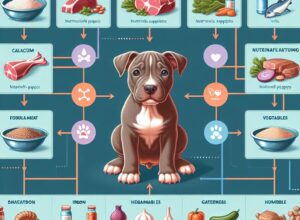
Key Nutrients and Their Functions in Immune Response
Here’s a breakdown of the key nutrients that are essential for your pitbull puppy’s immune health and their primary functions:
- Protein: Builds and repairs body tissues, and creates antibodies and immune system cells.
- Fatty Acids: Omega-3s, like those found in fish oil, reduce inflammation and support cell membrane health.
- Antioxidants: Vitamins E and C, and beta-carotene help protect cells from damage and support immune response.
- Zinc: This mineral is crucial for the development and function of immune system cells.
- Selenium: Works as an antioxidant and defends against oxidative stress.
Critical Periods for Immune Development in Puppies
There are specific times during a puppy’s growth when their immune system is particularly vulnerable. The first is right after birth, as their mother’s antibodies start to wear off before their immune system is fully developed. This is known as the ‘immunity gap.’ To bridge this gap, it’s important to provide a diet that supports immune development. Around 6 to 8 weeks of age, when puppies typically receive their first vaccinations, their immune systems are beginning to take charge. During this period, a diet rich in essential nutrients can support this transition and encourage a strong immune response to vaccinations.
Therefore, the first year of life is when your pitbull puppy’s immune system is being tested and trained. It’s a time when you can have the most impact through nutrition to ensure they grow up to be strong, healthy adults.
Ingredients to Look For and Those to Avoid
Choosing the right ingredients for your pitbull puppy’s diet is like selecting the best building materials for a house—it’s all about quality and suitability. Look for whole food ingredients, like named meat sources, wholesome grains or legumes, and fresh vegetables. These provide natural sources of vitamins and minerals that are easily absorbed by the body. Avoid generic meat by-products, excessive fillers like corn and wheat gluten, and artificial preservatives or colorings, which can trigger allergies and are not conducive to a thriving immune system.
Enhancing Immunity Through Supplements
While a well-rounded diet is the best way to support your puppy’s health, there are times when supplements can provide an extra boost. However, before adding any supplements to your puppy’s diet, it’s crucial to consult with your veterinarian. They can help determine what if any, supplements are needed based on your puppy’s specific health and nutritional needs.
When to Consider Supplements for Your Puppy
Supplements may be considered in several scenarios: if your puppy is showing signs of an underdeveloped immune system, such as frequent infections or poor response to vaccinations; if they have specific dietary deficiencies; or if they are recovering from illness. Supplements like omega-3 fatty acids can support immune function, while glucosamine can be beneficial for joint health, which is particularly important for a large, active breed like the pitbull.
The Role of Probiotics and Other Dietary Additives
Probiotics are beneficial bacteria that live in the gut and play a significant role in overall health, including immune function. They can help regulate digestion, outcompete harmful bacteria, and even produce vitamins. Prebiotics, which are dietary fibers that feed these good bacteria, are just as important. Both can be found in certain puppy foods or as separate supplements. Other dietary additives like antioxidants and certain vitamins can also be added to your puppy’s diet, but always under the guidance of a vet.
Practical Tips for Immune Health Management
Managing your pitbull puppy’s immune health goes beyond diet. It also includes regular health checks and keeping up with a vaccination schedule. These are non-negotiable practices that ensure your puppy is protected against a variety of infectious diseases. Regular vet visits also allow for early detection of any potential health issues.
Routine Health Checks and Vaccination Schedules
Routine health checks are an opportunity for your vet to assess your puppy’s growth, nutrition, and overall health. These checks often include a physical examination, fecal tests to check for parasites, and discussions about diet and behavior. Vaccinations are typically started at around six to eight weeks of age and continue until the puppy is about four months old. Following the initial puppy vaccinations, annual booster shots will help maintain immunity throughout your dog’s life.
Diet Adjustments as Your Pitbull Puppy Grows
As your pitbull puppy matures, their dietary needs will change. Puppies require more calories and nutrients per pound of body weight than adult dogs, but as they grow, their caloric needs will decrease. It’s important to adjust their diet accordingly to prevent overfeeding and obesity, which can put a strain on the immune system. Transitioning to adult food should be done gradually, mixing in the new food with the old over several days to prevent digestive upset.
Common Pitfalls and How to Avoid Them
One of the most common mistakes in puppy nutrition is over-supplementation. While it’s natural to want to give your pitbull every possible advantage, too much of a good thing can be harmful. For example, excessive calcium can lead to skeletal problems, especially in large-breed puppies. Always adhere to the recommended dietary guidelines provided by your vet or the puppy food manufacturer.
Over-Supplementation and Its Risks
Over-supplementation can disrupt the delicate balance of nutrients in your puppy’s body and may lead to health issues. Fat-soluble vitamins like A and D can accumulate to toxic levels if given excessively. It’s essential to remember that a complete and balanced commercial puppy food should meet all of your pitbull’s nutritional needs without the need for additional supplements. If you’re unsure, always seek professional advice before adding anything extra to your diet.
Recognizing Allergies and Food Sensitivities
Just like humans, puppies can have allergies and sensitivities to certain foods that can affect their immune health. Common signs include itching, red skin, ear infections, and gastrointestinal upset. If you suspect your pitbull puppy has a food allergy or sensitivity, consult your vet. They may recommend an elimination diet, where you remove the suspected allergen from the diet and gradually reintroduce foods to pinpoint the cause.
Keep an eye out for ingredients that are known allergens, such as certain proteins like beef or chicken, as well as corn, wheat, and soy. Opting for novel proteins (like duck or venison) and limited ingredient diets can help manage these sensitivities.
FAQs
What foods should I avoid giving my pitbull puppy for optimal immune health?
To maintain optimal immune health, avoid foods that are high in fillers and artificial additives. This includes:
- By-products and unspecified meat sources
- Excessive corn, wheat, or soy that may cause allergies
- Artificial colors, flavors, or preservatives like BHA and BHT
Instead, focus on whole, natural ingredients and named animal protein sources to ensure your puppy is getting the best nutrition for their developing immune system.
How often should I feed my pitbull puppy?
Pitbull puppies should be fed three to four times a day up until they are six months old. As they grow, you can reduce feeding to twice a day. Always ensure the portion sizes align with their energy needs and prevent overfeeding to avoid obesity.
Can human-grade supplements be given to pitbull puppies?
While human-grade supplements may seem like a good idea, it’s essential to use products formulated specifically for dogs. Human supplements can contain higher doses than what’s safe for puppies, and some may have ingredients that are toxic to dogs. Always consult with your vet before giving your pitbull puppy any supplements.
For instance, while fish oil is beneficial for both humans and dogs, the concentration in human supplements might be too high for a puppy, leading to potential health issues.
How do I know if my puppy’s immune system isn’t functioning correctly?
If your pitbull puppy is frequently sick, slow to recover from illness, or has persistent digestive issues, these could be signs of an underperforming immune system. Regular vet check-ups can help monitor their health and catch any immune-related issues early on.
When is it necessary to switch from puppy food to adult dog food?
Pitbull puppies should transition to adult dog food when they reach about 80-90% of their expected adult size. This typically happens around 12 to 18 months of age. The switch should be gradual, mixing increasing amounts of adult food with the puppy food over a week to avoid upsetting their stomach.
Remember, feeding your pitbull puppy the right diet is crucial for their immune system development. A balanced diet, rich in essential nutrients, will help them grow into strong, healthy dogs. Regular vet visits and careful monitoring of their health and diet will ensure they stay on track. With the right care and attention, you can help your pitbull puppy build a robust immune system that will serve them well throughout their life.