
Key Takeaways
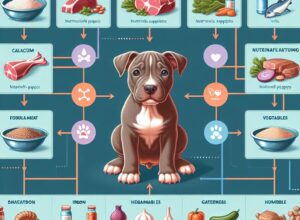
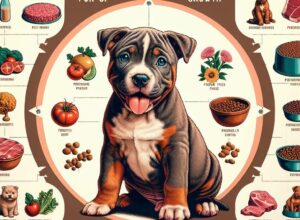
- A balanced raw diet for Pitbull puppies should include a variety of meats, bones, organs, and sometimes fruits and vegetables.
- Essential nutrients for Pitbull puppies include high-quality protein, fats, calcium, and phosphorus for healthy growth and development.
- Transitioning to a raw diet should be done gradually to prevent gastrointestinal upset.
- Food safety is crucial when handling and preparing raw food to avoid contamination and illness.
- Regular monitoring and adjustments are necessary to ensure the raw diet meets the individual needs of your Pitbull puppy.
Understanding a Puppy’s Dietary Needs
When you bring a Pitbull puppy into your life, you’re committing to their health and well-being. One of the most important aspects of their care is nutrition. A puppy’s diet sets the foundation for their growth, development, and overall health. Unlike adult dogs, puppies have specific nutritional needs that support their rapid growth and high energy levels. Therefore, it’s essential to understand what goes into a proper diet to ensure they thrive.
Raw Diet Quick Pros and Cons
A raw diet for puppies, including Pitbulls, can be a wholesome option that mimics their ancestral feeding habits. However, it’s not a decision to be taken lightly. Let’s quickly go over some advantages and disadvantages:
- Pros: More natural eating patterns, potentially better dental health, and improved coat condition.
- Cons: Requires careful planning to be nutritionally complete, potential risk of bacterial contamination, and can be more expensive and time-consuming than commercial diets.
Decoding Pitbull Puppy Nutritional Requirements
For a Pitbull puppy, a raw diet isn’t just about feeding them chunks of meat. It’s about providing a balanced, species-appropriate diet that supports their robust growth. Pitbull puppies need a diet rich in protein to build strong muscles and a moderate amount of fat for energy. They also require the right balance of calcium and phosphorus to ensure proper bone development.
Essential Nutrients and Their Roles
A well-rounded raw diet for your Pitbull puppy should include:
- Protein: Critical for muscle growth and repair. Sources can include chicken, beef, lamb, and fish.
- Fats: Provide energy and help with brain development. Good fats can be found in meats, eggs, and fish oil.
- Carbohydrates: Though not as crucial in a dog’s diet, they can provide additional energy and fiber. Carbs can come from vegetables and fruits in small amounts.
- Vitamins and Minerals: Necessary for a range of bodily functions, including immune system support and bone growth.
Ideal Protein, Fat, and Carbohydrate Balance
The balance of nutrients in your Pitbull puppy’s raw diet is key. Typically, a healthy ratio would consist of about 50% protein, 30% fat, and the rest made up of carbohydrates, vitamins, and minerals. This balance supports their high energy demands and contributes to healthy weight gain and development.
Advantages of Raw Diet for Pitbull Growth and Development
A raw diet can provide Pitbull puppies with a more natural, species-appropriate way of eating that supports their growth and development. Feeding raw can lead to more efficient digestion, better dental health due to natural chewing and tearing, and a shinier coat thanks to natural oils in fresh meat. Additionally, many owners report less odor in their puppy’s stool when on a raw diet.
Most importantly, a raw diet can be tailored to meet the specific needs of your growing Pitbull puppy, ensuring they receive the right balance of nutrients necessary for optimal growth. But remember, it’s not just about protein – a raw diet must be carefully balanced with the right amounts of fats, carbohydrates, vitamins, and minerals.
Boosting Immune Health with a Raw Diet
A raw diet can contribute to a robust immune system in Pitbull puppies. Fresh, unprocessed foods are rich in natural enzymes and antioxidants that help support the body’s defenses. Foods like raw liver and kidney are high in vitamins A and D, while cold-water fish provide omega-3 fatty acids that can help reduce inflammation and bolster immune response.
Supporting Muscular and Bone Development
Pitbull puppies are known for their muscular build and strength, and a raw diet can provide the high-quality proteins and essential nutrients required for healthy muscle development. Raw meat is a complete protein source containing all the essential amino acids your puppy needs. Furthermore, raw bones are a natural source of calcium and phosphorus, crucial for strong bone development.
Avoiding the Risks: Safe Raw Feeding Practices
While a raw diet has many benefits, it also comes with risks that must be managed carefully. Raw meats can harbor pathogens like Salmonella and E. coli, which can cause illness in both dogs and humans. It’s imperative to handle raw food with the same care you would when preparing your meals.
Food Safety Measures to Prevent Illness
Here are some food safety measures to keep in mind:
- Always purchase high-quality meat from reputable sources.
- Store raw meat at safe temperatures to prevent bacterial growth.
- Wash your hands thoroughly after handling raw food.
- Clean all surfaces and utensils that come into contact with raw meat.
- Dispose of uneaten raw food promptly to avoid spoilage.
By following these guidelines, you can minimize the risks and keep your Pitbull puppy safe and healthy.
Introducing Variety to Avoid Nutrient Deficiency
One of the challenges with a raw diet is ensuring your Pitbull puppy gets all the nutrients they need. To avoid deficiencies, it’s important to offer a variety of meats, organs, and bones. You can also include small amounts of fruits and vegetables for additional vitamins and fiber. However, make sure these are safe for dogs and do not make up more than 10% of the diet.
Designing a Balanced Raw Diet Plan
Example Raw Diet Plan for a Pitbull Puppy:
- 70% muscle meat (chicken, beef, lamb)
- 10% raw edible bone (chicken necks, backs)
- 10% organs (half of which should be liver)
- 10% fruits and vegetables (leafy greens, berries)
Creating a balanced raw diet plan for your Pitbull puppy involves understanding the appropriate ratios of food types. The example above provides a starting point, but you’ll need to adjust the quantities and ingredients based on your puppy’s specific needs, activity level, and growth rate.
Remember, a balanced diet is critical for preventing nutrient excesses or deficiencies, which can lead to health issues. If you’re unsure about creating a balanced diet, consult with a veterinarian or a canine nutritionist.
It’s also important to introduce new foods slowly to avoid digestive upset and to monitor your puppy’s reaction to different foods.
Portion Size and Feeding Frequency
When feeding your Pitbull puppy a raw diet, portion control is key. Overfeeding can lead to obesity, while underfeeding can result in malnutrition. As a general rule, puppies should be fed about 2-3% of their expected adult body weight spread over multiple meals throughout the day. Younger puppies may need to eat more frequently, up to four times a day, while older puppies can gradually move to three and then two meals a day.
Keep an eye on your puppy’s body condition and adjust portion sizes as needed. If you notice they are gaining too much weight, reduce the portions slightly. If they seem underweight or lacking energy, you may need to increase their food intake.
Including Supplements: When and Why?
While a well-planned raw diet can provide most of the nutrients your Pitbull puppy needs, there may be times when supplements are necessary. For example, if you’re not including fish in the diet, you might need to supplement with fish oil to ensure adequate omega-3 fatty acid intake.
Common Supplements for a Raw Diet:
- Fish oil for omega-3 fatty acids
- Vitamin E as an antioxidant
- Probiotics to support gut health
Always consult with a professional before adding supplements to your puppy’s diet. They can help you determine what if any, supplements are needed based on your puppy’s health and diet.
Navigating the Transition to Raw Foods
Transitioning your Pitbull puppy to a raw diet should be done with care. A sudden change in diet can lead to gastrointestinal upset, including diarrhea and vomiting. Start by mixing a small amount of raw food with their current diet and gradually increase the raw portion while decreasing the old food over several weeks.
Gradual Introduction to Prevent Gastrointestinal Upset
To minimize digestive issues:
- Begin by introducing one protein source and slowly add variety.
- Ensure that raw bones are appropriately sized for your puppy to chew and digest safely.
- Watch for any signs of digestive discomfort and adjust the transition pace accordingly.
Every puppy is different, so pay close attention to how yours reacts during the transition. With patience and careful monitoring, you can successfully switch your Pitbull puppy to a raw diet that supports their health and vitality.
Navigating the Transition to Raw Foods
Transitioning your Pitbull puppy to a raw diet isn’t something you should do overnight. It’s a gradual process that requires patience and careful observation. You’ll want to make the switch slowly to prevent any digestive issues and ensure that your puppy’s stomach has time to adjust to the new diet.
Gradual Introduction to Prevent Gastrointestinal Upset
Start by substituting a small portion of your puppy’s current food with raw food, and gradually increase the raw portion over time. A good rule of thumb is to start by replacing about 10% of their existing diet with raw food and increase by another 10% every few days. Keep a close eye on your puppy’s stool to gauge how well they’re handling the new diet. Loose stools can indicate that the transition is happening too quickly.
It’s also important to note that some puppies may experience a brief period of diarrhea or constipation as their bodies adjust. If this occurs, don’t panic. Consider slowing down the transition process and consult with a veterinarian if you have any concerns about your puppy’s health.
Evaluating Your Puppy’s Response to Raw Meals
As you transition your Pitbull puppy to a raw diet, pay attention to their overall well-being. Look for signs of improved energy levels, a shiny coat, and healthy skin. Also, monitor their weight and growth to ensure they’re on the right track. If you notice any adverse reactions, such as prolonged gastrointestinal issues, lethargy, or poor coat condition, it’s important to reassess the diet and consult with a veterinarian.
Remember, every puppy is unique, and what works for one may not work for another. Therefore, it’s crucial to tailor the transition to your puppy’s individual needs and responses.
FAQs
As you embark on this raw feeding journey with your Pitbull puppy, you’re likely to have a few questions. Here are some of the most common questions answered to help guide you along the way.
What Does a Balanced Pitbull Puppy Raw Diet Include?
A balanced raw diet for a Pitbull puppy should consist of a variety of components to ensure they receive all the necessary nutrients. Here’s a breakdown of what a balanced diet might include:
- Raw muscle meat (such as chicken, beef, or turkey)
- Raw edible bones (like chicken necks or wings)
- Organ meats (liver and kidneys are nutrient-rich options)
- A small portion of fruits and vegetables (for added vitamins and fiber)
It’s important to ensure that the diet is formulated to meet the AAFCO’s nutrient profiles for puppies or to consult with a veterinary nutritionist.
How Much Raw Food Should I Feed My Pitbull Puppy?
The amount of raw food you should feed your Pitbull puppy will depend on their age, weight, and activity level. A general guideline is to feed puppies up to 2-3% of their expected adult weight, divided into multiple meals throughout the day. As they grow, their needs will change, so it’s important to adjust their portions accordingly and monitor their body condition closely.
For example, if you expect your Pitbull puppy to weigh around 50 pounds as an adult, you would start by feeding them about 1 pound of raw food per day, split into 3-4 meals.
Are There Any Raw Foods That Pitbull Puppies Should Avoid?
Yes, certain raw foods should be avoided when feeding your Pitbull puppy. These include foods that may be harmful or difficult for puppies to digest. For a detailed list of foods to avoid, as well as safe feeding tips, visit Starting Your Puppy On A Raw Diet at Dogs Naturally Magazine.
- Onions and garlic, which can be toxic to dogs
- Grapes and raisins, which can cause kidney failure
- Chocolate, coffee, and caffeine, which contain substances that can be harmful
- Bones that are too hard and could cause dental fractures or blockages
Always research and consult with a professional if you’re unsure about a particular food item.
Can I Mix Raw Diet with Dry Kibble?
It’s generally not recommended to mix a raw diet with dry kibble, especially during the transition period. This is because raw food and kibble digest at different rates, which can cause digestive discomfort. Once your puppy has fully transitioned to a raw diet, it’s best to stick to it exclusively for optimal health benefits.
How Do I Know if My Puppy Is Thriving on a Raw Diet?
You can tell if your Pitbull puppy is thriving on a raw diet by observing a few key indicators of good health:
- They have a shiny, healthy coat.
- They have consistent, firm stools.
- They maintain a good energy level and healthy weight.
- They seem overall happy and alert.
If you observe these positive changes, it’s a good sign that the raw diet is working well for your puppy. However, if you notice any negative symptoms, it’s important to consult with a veterinarian to address any potential issues.
Feeding your Pitbull puppy a raw diet can be incredibly rewarding, but it requires commitment and knowledge. By following these tips and guidelines, you can help ensure your puppy grows into a strong, healthy adult dog. Remember to always consult with a veterinarian or a canine nutritionist to tailor the diet to your puppy’s specific needs and to make any necessary adjustments along the way.
Feeding your pitbull puppy a raw diet can be beneficial for their health, but it’s crucial to ensure that the diet is balanced and safe. A raw diet for a pitbull puppy should include a variety of meats, bones, organ meats, and some vegetables to provide the necessary nutrients. It’s important to be aware of the risks of raw feeding, such as potential exposure to pathogens like E. coli. To minimize these risks, proper handling and hygiene practices must be followed. Additionally, it’s essential to understand the nutritional needs of your pitbull puppy to prevent deficiencies in key nutrients like calcium and magnesium. For more detailed guidance on safe feeding practices and balanced nutrition, consider consulting with a veterinarian experienced in raw diets for dogs.