When you bring a pitbull puppy into your home, it’s like welcoming a new family member. That’s why it’s crucial to understand the risks of overfeeding and how to manage your puppy’s weight effectively. Overfeeding can have long-term health consequences, but you can set your pitbull on a healthy and happy life with the right knowledge.
Key Takeaways
- Overfeeding a pitbull puppy can lead to obesity and related health issues.
- Recognizing signs of overfeeding is crucial for your puppy’s well-being.
- Health complications from overfeeding include joint problems, diabetes, and heart disease.
- Implementing proper dietary habits and exercise routines is key to weight management.
- Understanding portion control and creating a feeding schedule can prevent overeating.
Recognizing the Hazards of Overfeeding Your Pitbull Puppy
Let’s talk about why overfeeding your pitbull puppy is a problem. Those extra kibbles might seem like a sign of love, but they can do more harm than good. Overfeeding can quickly lead to obesity, which in turn can cause serious health issues like joint problems, heart disease, and diabetes. These are not minor inconveniences; they can drastically reduce the quality and length of your puppy’s life.
Understanding the Signs of Overfeeding
So, how can you tell if you’re overfeeding your pitbull puppy? Look out for these signs:
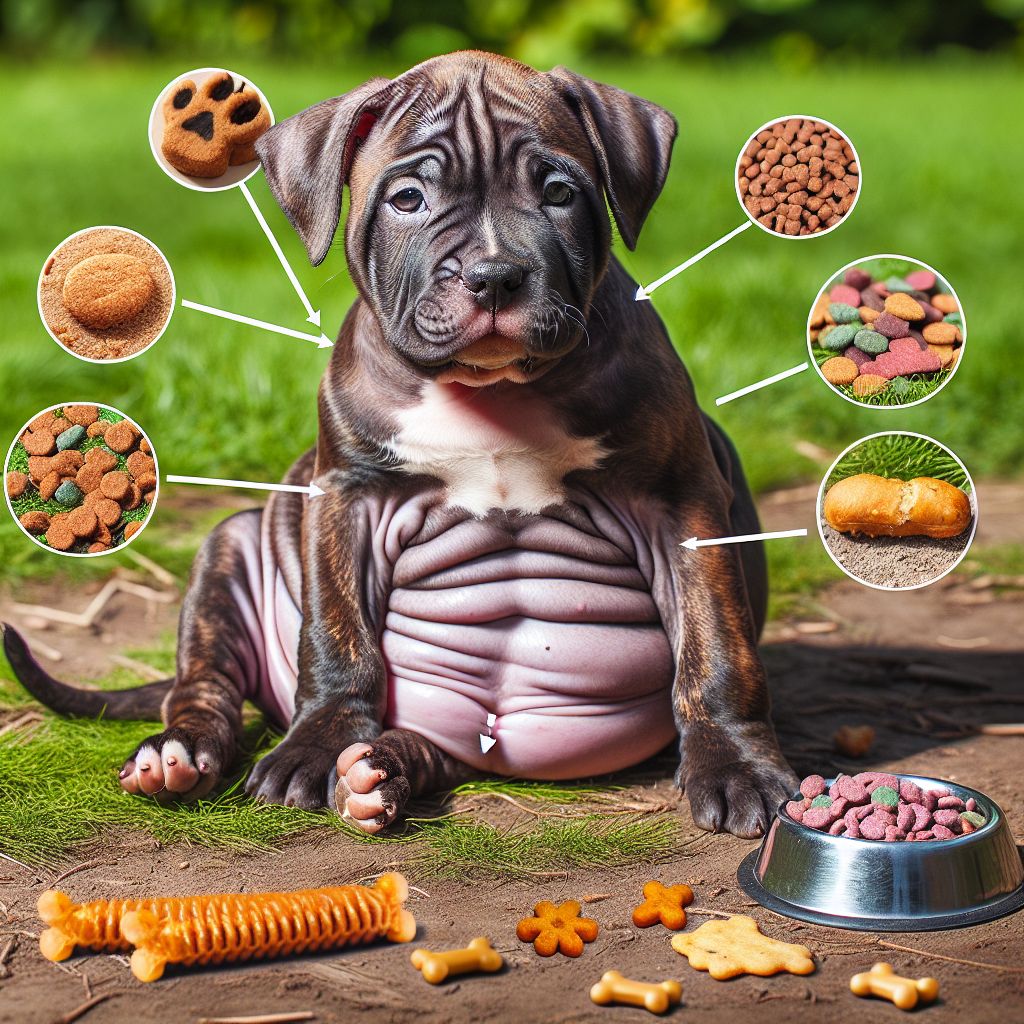
- A lack of a visible waist or an overly rounded stomach.
- Difficulty in feeling their ribs under a layer of fat.
- Lack of energy or reluctance to exercise.
- Rapid weight gain over a short period.
Besides that, your puppy’s behavior can also give you clues. If they’re not showing much interest in their regular playtime or walks, it might be because those extra pounds are starting to weigh them down.
Health Complications Linked to Excessive Weight Gain
Let’s break down the health complications that can arise from overfeeding:
- Joint Problems: Extra weight puts additional stress on joints that can lead to conditions like hip dysplasia and arthritis.
- Diabetes: Just like in humans, obesity can lead to the development of diabetes in dogs, which can be a challenging condition to manage.
- Heart Disease: Carrying extra weight can strain your puppy’s heart, increasing the risk of heart disease and high blood pressure.
- Reduced Lifespan: Ultimately, all these health issues can lead to a shortened lifespan for your beloved pet.
Therefore, being vigilant about your pitbull puppy’s diet and exercise routine is not just about keeping them slim; it’s about ensuring they have a long, joyful life by your side.
Creating an Effective Exercise Routine
Exercise is as important as diet when managing your pitbull puppy’s weight. A proper exercise routine burns calories, builds muscle, strengthens the heart, and stimulates the mind. For a pitbull puppy, aim for at least 30 minutes to an hour of exercise each day, which can be split into two or more sessions. This can include walks, playtime, and other activities that get your puppy moving.
Setting Up for Success: Portion Control and Feeding Schedules
Portion control is the cornerstone of preventing overfeeding. It’s not just about reducing the amount of food; it’s about giving the right amount for your puppy’s age, size, and activity level. Start by checking the feeding guide on your dog food’s label, but remember these are just guidelines. Every puppy is different, and you might need to adjust portions based on your pitbull’s specific needs.
Measuring Meals for Optimal Nutrition
Here’s how to measure meals correctly:
- Use a standard measuring cup to ensure you’re giving the exact amount of food recommended.
- Consult your vet to determine the best portion size for your puppy’s breed, age, and activity level.
- Be consistent with the amount you feed at each meal to avoid accidental overfeeding.
Consistency is key. By measuring each meal, you can monitor your puppy’s intake and make proper food adjustments as they grow.
Timing Feeds to Prevent Overeating
Creating a feeding schedule helps control hunger and prevents overeating. Young puppies typically need to eat three to four times a day but you can gradually reduce this to two meals a day as they grow. The routine shouldn’t just be about when they eat, but also about creating a calm environment during meal times to discourage fast eating, which can lead to overeating.
Remember, a feeding schedule is more than just the times you put food in the bowl. It’s about creating a structure that includes mealtime, playtime, and downtime, all of which are important for your puppy’s overall well-being.
When Treats Become Too Much: Balancing Rewards with Diet
Giving treats is an essential part of training, and bonding, and can also be a source of extra calories. Treats should not exceed 10% of their daily caloric intake to keep your pitbull puppy’s diet balanced. Choose low-calorie, healthy treats and consider using part of their meal as a reward during training sessions to avoid overfeeding.
Healthy Treat Alternatives
Instead of high-calorie commercial treats, try these healthy alternatives:
- Carrot sticks or green beans for a crunchy, low-calorie snack.
- Plain, cooked chicken or turkey as a high-protein treat.
- Frozen blueberries or sliced apples for a sweet, antioxidant-rich reward.
These treats provide nutritional benefits and help you maintain control over your puppy’s calorie intake. For more detailed guidance, check out our best nutrition plans for Pitbull puppies.
Integrating Treats into Daily Caloric Intake
To integrate treats into your puppy’s diet without overfeeding:
- Calculate 10% of your puppy’s total daily calories and use this as the treat budget.
- Subtract the calories of the treats from the total daily food allowance.
- Keep track of all treats given throughout the day to ensure you stay within the limit.
This way, you can reward your puppy without the fear of overfeeding.
FAQs
As a pet parent, you might have questions about overfeeding and weight management. Here are some common queries with straightforward answers to help you on your journey. For more detailed guidance, consider reading our pitbull puppy water intake guide for tips on proper hydration.
How do I know if I’m overfeeding my pitbull puppy?
There are a few tell-tale signs that you might be overfeeding your pitbull puppy:
- Excess weight gain beyond the normal growth curve for their age and breed.
- Lack of definition in their waist when viewed from above.
- Difficulty in feeling their ribs beneath a layer of fat.
If you notice any of these signs, it might be time to reassess your feeding strategy and consult your veterinarian.
What are the best types of food for pitbull puppy weight management?
For weight management, you want to focus on a balanced diet that’s rich in protein to support muscle growth and has moderate fat content to provide energy without excess calories. Look for puppy foods that list meat as the first ingredient and that don’t have fillers like corn or soy, which can contribute to weight gain. Always opt for high-quality brands that prioritize whole-food ingredients and have a good reputation for producing nutritionally complete dog foods.
How much exercise does a pitbull puppy need to maintain a healthy weight?
A pitbull puppy will thrive with a good physical and mental stimulation. Aim for at least 30 minutes to an hour of exercise daily, which can include walks, play sessions, and training exercises. Remember that puppies have a lot of energy, so breaking up the exercise into shorter, more frequent sessions can help keep them engaged and prevent them from becoming overweight.
Can overfeeding affect my pitbull puppy’s behavior and training?
Yes, overfeeding can impact your puppy’s behavior and training. An overweight puppy may have less energy and motivation to engage in training sessions. Additionally, if treats are used excessively as a training tool, your puppy might become fixated on food as a reward, which can make training without treats more challenging.
What should I do if my pitbull puppy is already overweight?
If your pitbull puppy is already showing signs of being overweight, the first step is to consult your veterinarian for a thorough evaluation. They can provide a tailored diet and exercise plan to reduce your puppy’s weight. It’s important to tackle the issue gradually and with professional guidance to ensure your puppy’s health and well-being.