Key Takeaways
- Homemade treats can be tailored to your pitbull puppy’s nutritional needs and avoid harmful additives.
- Peanut butter and pumpkin are excellent bases for healthy puppy treats but always choose natural, xylitol-free peanut butter.
- Regularly incorporating homemade treats into your puppy’s diet can aid in training and provide dietary variety.
- Understanding the basics of puppy nutrition is crucial to making safe and beneficial treats.
- Always consult with your veterinarian before introducing new treats into your puppy’s diet, especially if your puppy has specific health concerns.
Nurturing Growth: Pitbull Puppy Treats Explained
When it comes to raising a healthy and happy pitbull puppy, nutrition is paramount. Treats are not just rewards; they’re also an opportunity to supplement your puppy’s diet with beneficial nutrients. Homemade treats, in particular, allow you to have complete control over what goes into your puppy’s body, ensuring they are getting the best while avoiding unnecessary and potentially harmful additives.
Why Choose Homemade?
Choosing to make your puppy treats at home is a smart move for several reasons. First, you’ll avoid the preservatives and fillers that are often found in store-bought options. Second, you can adjust recipes to suit your puppy’s taste preferences and dietary needs. And most importantly, making treats at home can be a fun bonding activity between you and your furry friend.
Key Ingredients for Puppy Health
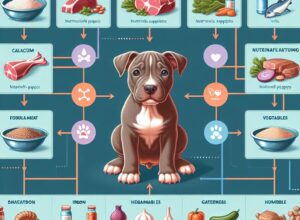
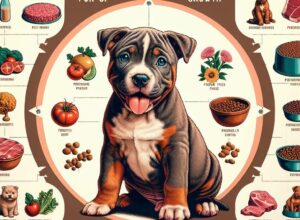
When crafting treats for your pitbull puppy, it’s essential to focus on ingredients that support their growth and health. High-quality protein, healthy fats, and digestible carbohydrates should be the cornerstone of any treat you prepare. Additionally, certain ingredients like pumpkin can aid in digestion, while peanut butter can provide a tasty source of protein and healthy fats.
Step-by-Step Guide to Puppy Treats
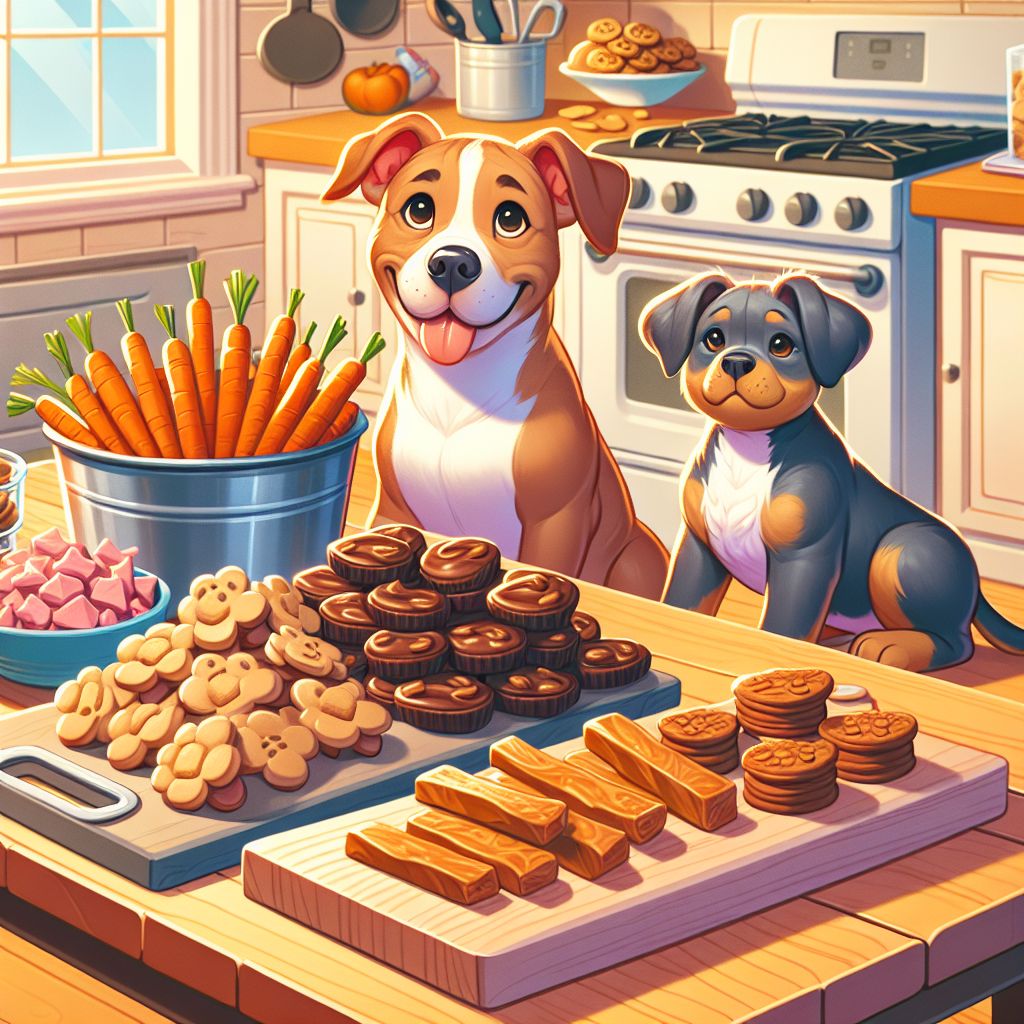
Simple Peanut Butter Delights
Peanut butter is a favorite among dogs, and it’s packed with protein and healthy fats that are great for your pitbull puppy’s development. When making peanut butter treats, always choose a natural, unsweetened brand without xylitol, as this sweetener is toxic to dogs.
To make Simple Peanut Butter Delights, you’ll need:
- 1 cup of natural peanut butter (ensure it’s xylitol-free)
- 2 cups of whole wheat flour (or a substitute if your puppy is sensitive to gluten)
- 1 egg
- Water as needed to form a dough
Instructions:
- Preheat your oven to 350°F (175°C).
- In a bowl, combine the natural peanut butter, whole wheat flour, and egg.
- Mix everything to form a dough.
- Roll out the dough and use your favorite cookie cutters to cut the treats into shapes.
- Place the shaped treats on a baking sheet.
- Bake for about 20 minutes or until they turn golden brown.
- Let the treats cool before giving them to your dog.
Healthy Pumpkin Bites
Pumpkin is not just for autumnal human treats; it’s also fantastic for your puppy’s digestive system. Rich in fiber, pumpkin can help regulate your pup’s digestion and is gentle on sensitive stomachs.
For Healthy Pumpkin Bites, gather:
- 1 cup of canned pumpkin puree (make sure it’s plain pumpkin, not pie filling)
- 2 eggs
- 1/2 cup of oats
- 3 cups of whole wheat flour (again, use a substitute if needed)
- 1/2 teaspoon of cinnamon (optional for flavor)
Instructions:
- In a large bowl, mix the canned pumpkin puree, eggs, and oats until well combined.
- Gradually add the whole wheat flour and cinnamon to the mixture. Stir until the dough comes together and is workable.
- Roll out the dough on a floured surface to your desired thickness (about 1/4 inch).
- Use cookie cutters to cut out shapes (bones, hearts, or any fun shapes your dog will love).
- Place the shaped treats on a baking sheet lined with parchment paper.
- Bake at 350°F (175°C) for 30 to 35 minutes or until the treats are golden brown and firm.
- Let the treats cool completely before serving them to your furry friend.
Refreshing Frozen Yogurt Pops
During those hot summer days, your pitbull puppy will appreciate a cool treat. Frozen yogurt pops are not only refreshing but can also provide probiotics which are beneficial for your puppy’s gut health. Use plain, unsweetened yogurt, and avoid any artificial sweeteners.
Here’s a simple recipe for Frozen Yogurt Pops:
- 2 cups of plain, unsweetened yogurt (avoid artificial sweeteners/flavorings)
- 1 banana, mashed (preferably a ripe banana)
- 1 tablespoon of natural peanut butter (without added sugar or xylitol)
- A dash of cinnamon (optional)
Instructions:
- In a mixing bowl, combine the plain yogurt, mashed banana, natural peanut butter, and a dash of cinnamon. Mix everything until well combined.
- Pour the mixture into an ice cube tray or silicone mold. Fill each compartment about 3/4 full.
- If you’d like, you can add a small dog biscuit or treat stick to the center of each cube for an extra surprise.
- Place the tray or mold in the freezer and let it freeze overnight or until solid.
Understanding Puppy Nutrition
Proper nutrition is critical, especially in the formative months of your pitbull puppy’s life. The treats you provide should complement their balanced diet, not replace it. Always aim for treats that contribute to their overall health and vitality.
Let’s delve into the nutritional needs of your growing pitbull puppy to ensure the treats you make are not only delicious but also nutritious.
Macronutrients: The Building Blocks
Macronutrients are nutrients that provide calories or energy. For puppies, the main macronutrients are proteins, fats, and carbohydrates:
- Proteins: Essential for growth and repair of muscles and other body tissues.
- Fats: Provide energy, help absorb certain vitamins, and are necessary for healthy skin and coat.
- Carbohydrates: While not as critical as protein or fat, they provide energy and help with digestion.
When creating treats, ensure they are high in protein and healthy fats, with a moderate amount of carbohydrates.
Vitamins and Minerals: The Vital Additions
Vitamins and minerals are just as crucial as macronutrients. They support body functions such as immunity, bone health, and blood clotting. While commercial puppy foods are formulated to be nutritionally complete, homemade treats can be a great way to provide these essential nutrients in a more natural form.
Picking the Right Ingredients
The ingredients you choose for your puppy’s treats can make a world of difference. Opt for whole food ingredients that are safe for dogs and offer health benefits. Avoid anything processed or containing artificial additives.
Choosing Peanut Butter Wisely
As mentioned earlier, peanut butter can be a fantastic ingredient for homemade dog treats, but it’s crucial to choose the right type. Always opt for natural peanut butter without added sugars or sweeteners, especially xylitol, which is toxic to dogs. The simpler the ingredient list, the better.
The Benefits of Pumpkin in Your Puppy’s Diet
Pumpkin is a superfood for dogs. It’s a good source of fiber, which can help with digestive health, and it’s low in calories, making it an excellent treat for puppies. Pumpkin also contains important vitamins and minerals like vitamin A, potassium, and iron.
Safe Flour Alternatives for Gluten-Sensitive Pups
If your puppy is sensitive to gluten or you’re looking to avoid it, there are plenty of alternatives. Coconut flour, almond flour, and oat flour are all safe options that provide different health benefits. For instance, coconut flour is high in fiber and protein, while almond flour is rich in vitamin E and healthy fats.
The Do’s and Don’ts in Puppy Treats
Creating the perfect treat for your pitbull puppy involves more than just combining healthy ingredients. Here are some important guidelines to follow:
Do: check the nutritional content of your pitbull puppy’s food.
- Consult with your veterinarian before introducing new treats, especially if your puppy has health issues.
- Use fresh, natural ingredients and avoid anything artificial.
- Keep treats small to avoid overfeeding.
Don’t:
- Include any toxic ingredients like chocolate, grapes, onions, or anything with xylitol.
- Overcomplicate recipes with too many ingredients.
- Forget to consider your puppy’s individual dietary needs and preferences.
By following these guidelines, you can ensure that the treats you make will not only be a tasty reward for your pitbull puppy but also a healthy part of their diet.
Safe Ingredients Checklist
- Choose natural, unsweetened peanut butter without xylitol.
- Opt for plain pumpkin puree, not pie filling with added sugars and spices.
- Select gluten-free flours like coconut or oat flour for sensitive pups.
- Use lean meats and avoid high-fat options for protein treats.
- Incorporate fruits like blueberries and apples (without seeds) for a vitamin boost.
When selecting ingredients for your pitbull puppy’s treats, always think ‘natural and nutritious.’ Whole food ingredients that are safe for human consumption are typically a good choice for dogs as well. However, always double-check for any potential toxicities specific to canines, such as certain fruits and vegetables.
It’s also a good idea to keep treats varied. Just like humans, dogs enjoy different flavors and textures. Rotating the ingredients in your homemade treats can provide a range of nutrients and keep your puppy interested and excited about their rewards.
Besides that, incorporating ingredients like flaxseeds or fish oils can provide omega-3 fatty acids, which are great for your puppy’s skin, coat, and overall health. But remember, balance is key; too much of a good thing can lead to issues, so use these richer ingredients sparingly.
The No-No’s to Avoid
When whipping up a batch of puppy treats, there are certain foods you should never use. These include:
- Chocolate and caffeine: These contain substances that can be toxic to dogs.
- Grapes and raisins: Even in small amounts, these can cause kidney failure in dogs.
- Onions and garlic: These can lead to anemia by destroying red blood cells.
- Xylitol: This artificial sweetener can cause a rapid release of insulin in dogs, leading to hypoglycemia.
- Macadamia nuts: They can cause weakness, depression, vomiting, tremors, and hyperthermia in dogs.
Always err on the side of caution. If you’re not sure whether an ingredient is safe, leave it out or consult with your vet. This list isn’t exhaustive, so it’s crucial to educate yourself on canine-safe foods.
Furthermore, avoid using too much salt or sugar in your treats. Dogs don’t need added salt in their diet, and sugar can lead to dental issues and obesity. Stick to natural sweetness from fruits or vegetables if needed. For more guidance on pitbull puppy nutrition, consider exploring expert tips on the subject.
FAQs
You’ve got questions; I’ve got answers. Let’s dive into some frequently asked questions about homemade pitbull puppy treats:
How Often Can I Give My Pitbull Puppy These Treats?
While treats are an excellent tool for training and bonding, they should not exceed 10% of your puppy’s total daily calorie intake. The rest should come from balanced, high-quality puppy food. Use treats sparingly to reward good behavior or as a special snack.
Remember, puppies have small stomachs, so even a few treats can fill them up quickly. It’s essential to adjust the size of their meals accordingly to prevent overfeeding. When in doubt, discuss your puppy’s diet with your vet to ensure they’re getting the right amount of nutrients without the excess calories.
What if My Puppy is Allergic to an Ingredient?
Allergies in puppies can manifest as skin irritation, digestive upset, or respiratory issues. If you suspect your puppy has a food allergy, consult your vet. They can help identify the allergen and recommend alternative homemade dog treat recipes.
For example, if your puppy is allergic to wheat, you can use coconut flour or chickpea flour as a substitute in treat recipes. Always introduce new ingredients slowly and in small amounts to monitor for any adverse reactions.
Can I Add Supplements to Homemade Treats?
It’s possible to add supplements to your homemade treats, but it should be done under veterinary guidance. Over-supplementation can be just as harmful as a deficiency.
Common supplements include glucosamine for joint health or fish oil for skin and coat health. However, if your puppy is eating a balanced diet, they likely don’t need additional supplementation. Always check with your vet before adding anything new to your puppy’s diet.
How Do I Store Homemade Puppy Treats?
Proper storage is essential to keep homemade treats fresh and safe for your puppy to consume. Most homemade treats can be stored in an airtight container at room temperature for about a week. If you’ve made a larger batch, consider freezing them and thawing a few at a time as needed.
Keep an eye out for any signs of spoilage, such as mold or an off smell, and discard any treats that don’t seem fresh. It’s better to be safe and prevent any potential stomach upset for your pup.
Are These Treats Suitable for Adult Pitbulls?
Absolutely! These homemade treat recipes are suitable for dogs of all ages. However, adult dogs have different nutritional needs than puppies. For instance, they may require fewer calories if they’re less active.
As your pitbull grows, you may need to adjust the treat recipes to cater to their changing dietary needs. Always keep portion sizes appropriate for your dog’s size and activity level to maintain a healthy weight.
In conclusion, homemade treats are a wonderful way to supplement your pitbull puppy’s diet with nutritious, tasty snacks. By using safe ingredients, avoiding toxic foods, and following proper storage guidelines, you can ensure your puppy enjoys these treats to the fullest. And remember, when it comes to your pup’s health, your vet is your best resource for personalized advice.