When it comes to raising a healthy pitbull puppy, gut health should be at the top of your priority list. A well-functioning digestive system supports not just digestion, but also your puppy’s immune system and overall well-being. Let’s dive into the world of prebiotics and discover how they enhance your pitbull puppy’s gut health.
Key Takeaways
- Prebiotics are dietary fibers that feed the good bacteria in your puppy’s gut.
- A healthy gut can improve your pitbull puppy’s digestion, immunity, and overall health.
- Natural sources of prebiotics include chicory root, garlic, bananas, and apples.
- Supplementing your puppy’s diet with prebiotics can help manage weight and improve bowel regularity.
- Always introduce prebiotics gradually to avoid digestive upset and monitor your puppy’s response.
The Gut-Health Connection: A Guide to Prebiotics for Pitbull Puppies
A robust gut isn’t just about avoiding tummy troubles. It’s the foundation of your pitbull puppy’s health, influencing everything from their mood to their ability to fight off sickness. Prebiotics are a key player in this, serving as the ‘food’ that nurtures beneficial bacteria in the gut.
A Healthy Gut: The Cornerstone of Your Puppy’s Wellness
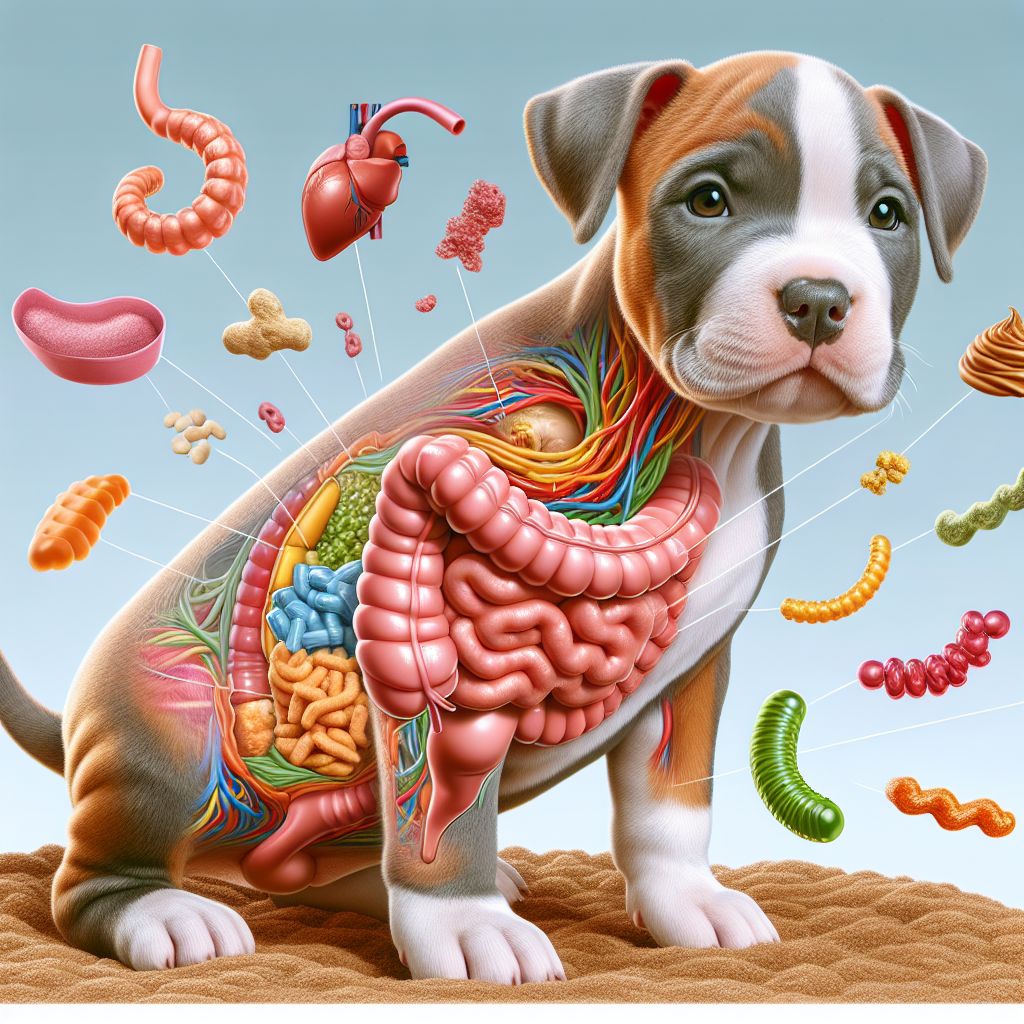
Imagine the gut as a bustling city where microbes are the residents. This community, known as the microbiome, is vital for breaking down food, producing nutrients, and forming a barrier against invaders. Prebiotics are like the city’s food supply, ensuring that the good microbes thrive and keep the bad ones in check.
Prebiotics: The Fuel for a Flourishing Microbiome
Prebiotics are essentially a type of fiber that the body cannot digest. They pass through the stomach and feed the beneficial bacteria in the intestines. These fibers are crucial for maintaining the balance and diversity of intestinal flora, which in turn supports a healthy digestive system and immune response.
Most importantly, introducing prebiotics to your pitbull puppy’s diet can have a transformative effect on their health. A balanced gut can lead to better nutrient absorption, fewer digestive issues, and a robust immune system, setting the stage for a life of vitality.
Did you know? A study in the Journal of Veterinary Internal Medicine found that dietary prebiotics significantly improved stool quality in dogs, which is a direct indicator of good digestive health.
Prebiotics 101: Unpacking the Basics
Defining Prebiotics and Their Function
Prebiotics are a special form of dietary fiber that acts as a nurturing ground for the beneficial bacteria in your puppy’s gut. Unlike other nutrients, prebiotics aren’t absorbed into the bloodstream. Instead, they remain in the digestive tract, selectively feeding the good bacteria and helping them to multiply and outcompete harmful bacteria.
This process is vital for a pitbull puppy’s health because a balanced gut microbiome is crucial for digesting food, producing vitamins, and protecting against pathogens. By strengthening the good bacteria, prebiotics help maintain the integrity of the gut lining, which acts as the first line of defense against toxins and germs.
Dietary Sources of Prebiotics
Your pitbull puppy can get prebiotics from various dietary sources. Some of the best natural prebiotic-rich foods include:
- Chicory Root: High in inulin, a powerful prebiotic fiber.
- Garlic: Contains fructooligosaccharides (FOS) that promote beneficial bacteria growth.
- Bananas: Offer a modest amount of inulin and are a puppy-friendly treat.
- Apples: Their skin is rich in pectin, a natural prebiotic that supports gut health.
Remember, when introducing new foods to your puppy’s diet, it’s important to start slow to avoid upsetting their stomach. Always consult with your veterinarian before making any significant changes to your puppy’s diet, especially if they have a sensitive stomach or other health concerns.
The Impact of Prebiotics on Digestive Harmony
Ensuring your pitbull puppy has a balanced digestive system is crucial, and prebiotics are instrumental in achieving this. They help to maintain an environment in the gut where beneficial bacteria can thrive, leading to improved bowel movements and digestion. With the right prebiotic intake, your puppy’s stomach and intestines can process food more efficiently, extracting all the nutrients needed for growth and development.
Moreover, prebiotics can help to alleviate common digestive disorders in puppies, such as diarrhea and constipation. By promoting the growth of healthy bacteria, they help to stabilize the gut’s environment, which can reduce the occurrence of these uncomfortable conditions. It’s all about creating digestive harmony, which keeps your puppy happy and active.
Enhanced Immune Defense Through Proper Nutrition
Did you know that a significant part of your pitbull puppy’s immune system is located in their gut? This is why maintaining a healthy gut microbiome is so important. Prebiotics, by nurturing beneficial bacteria, play a key role in strengthening your puppy’s immune defenses. These good bacteria not only help in digesting food but also in producing essential vitamins and fighting off pathogens.
A strong immune system means your puppy will be better equipped to deal with infections and recover faster when they get sick. By incorporating prebiotics into your puppy’s diet, you’re providing them with an extra layer of protection, which is particularly important during their early, formative months when their immune system is still developing.
Implementing Prebiotics in Your Puppy’s Diet
Now that we understand the importance of prebiotics, let’s look at how you can include them in your pitbull puppy’s diet. Whether you’re opting for supplements or natural food sources, the key is to introduce prebiotics slowly and monitor your puppy’s response. The gradual introduction will help prevent any digestive upset and allow your puppy’s gut microbiome to adjust to the changes.
How to Choose Prebiotic Supplements
Choosing the right prebiotic supplement for your puppy is like picking the perfect training treat – it should be healthy, suitable for their age, and something they enjoy.
When selecting a prebiotic supplement, consider the following:
- Quality: Look for high-quality, vet-recommended supplements that are specifically designed for puppies.
- Ingredients: Ensure the supplement contains a prebiotic like inulin or FOS, which are known to support gut health.
- Age-appropriateness: Check that the supplement is suitable for your puppy’s age and breed size.
- Reviews: Read customer reviews to gauge the effectiveness and palatability of the supplement.
Remember to consult with your vet before adding any supplements to your puppy’s diet, especially if they have underlying health issues or are on medication.
Incorporating Natural Prebiotics Through Food
In addition to supplements, you can also boost your pitbull puppy’s prebiotic intake through their diet. Gradually adding prebiotic-rich foods to their meals can help support their gut health naturally. Some puppy-friendly options include small amounts of cooked sweet potato, oats, or dandelion greens. Always introduce new foods one at a time and in moderation to ensure your puppy tolerates them well.
Real-life Benefits: From Theory to Tangible Results
The benefits of prebiotics aren’t just theoretical. Many puppy owners have witnessed noticeable improvements in their pets’ health after incorporating prebiotics into their diet. From shinier coats to more regular bowel movements, the positive changes can be quite remarkable. For more detailed guidance on enhancing your pitbull puppy’s diet, consider reading this comprehensive guide on nutritional strategies to boost immune health in pitbull puppies.
Additionally, puppies with sensitive stomachs or those who have suffered from digestive issues may find that prebiotics help to calm their gut and reduce symptoms. This can lead to a happier, more energetic puppy who is able to enjoy life to the fullest.
Case Studies: Puppies Thriving on Prebiotic-Enriched Diets
Consider the story of Max, a pitbull puppy who struggled with recurring diarrhea. After his owner began supplementing his diet with a prebiotic formula, Max’s digestive issues subsided significantly. He became more vibrant and his coat started to shine, showing the direct impact of improved gut health on overall well-being.
Observing the Signs of Improved Gut Health
As you incorporate prebiotics into your pitbull puppy’s diet, watch for signs of improved gut health. These may include:
- Consistent, firm bowel movements
- Less gas and bloating
- Better appetite and digestion
- Increased energy and vitality
- An improved coat condition
Remember, a happy gut leads to a happy pup!
Your Puppy’s Path to Gut Health
Embarking on the journey to enhance your pitbull puppy’s gut health with prebiotics is a commitment to their overall health and happiness. By understanding the role of prebiotics, choosing the right supplements or natural foods, and observing your puppy’s response, you can support their digestive system and immune health effectively.
Step-by-Step Guide to Transitional Feeding
When introducing prebiotics or new foods to your puppy’s diet, follow these steps:
- Start with small amounts of prebiotic-rich foods or supplements.
- Gradually increase the quantity over several days or weeks.
- Monitor your puppy’s stool consistency and frequency.
- Watch for any signs of digestive discomfort, such as excessive gas or changes in appetite.
- Consult with your vet if you notice any adverse reactions or if you’re unsure about the best approach.
By following these guidelines, you can help ensure a smooth transition and a positive outcome for your pitbull puppy’s gut health journey.
Monitoring Your Pitbull Puppy’s Response to Prebiotics
Introducing prebiotics to your pitbull puppy’s diet is a process that should be handled with care. Monitor their response closely to ensure they’re benefiting from the dietary change. Look for positive signs such as more regular bowel movements, a shinier coat, and an overall increase in energy. However, if you notice any adverse reactions, such as vomiting, diarrhea, or loss of appetite, it’s crucial to consult your veterinarian. These could be signs that the prebiotic dose is too high or that your puppy has a sensitivity to a particular ingredient.
FAQ
You’ve got questions, and I’ve got answers. Here’s the lowdown on some of the most common queries about prebiotics for pitbull puppies.
What are the signs of a healthy gut in Pitbull puppies?
A healthy gut in pitbull puppies manifests through several clear signs:
– Consistent and firm bowel movements without any straining or discomfort. Learn more about the role of prebiotics in pet gut health.
– A good appetite and steady weight gain appropriate for their breed and age are key indicators of healthy growth in Pitbull puppies.
– High energy levels and playful behavior, indicating overall well-being.
Observing your puppy’s behavior and stool quality is one of the best ways to gauge their gut health. Regular check-ups with your vet can also help confirm that your puppy’s digestive system is functioning properly.
Can prebiotics cause any side effects in puppies?
While prebiotics are generally safe for puppies, they can cause side effects if not introduced properly. Overfeeding prebiotics can lead to bloating, gas, or diarrhea. To avoid these issues, always start with small amounts and gradually increase the dose over time. If you notice any persistent side effects, consult with your veterinarian.
How often should I give my Pitbull puppy prebiotic supplements?
The frequency of prebiotic supplementation will depend on the product you’re using and your puppy’s specific needs. Some supplements are designed for daily use, while others may be given several times a week. Here’s a general guideline:
– Start with the lowest dose recommended on the supplement label.
– Observe your puppy’s response over a week or two.
– Adjust the frequency based on your vet’s advice and your puppy’s tolerance.
Always follow the manufacturer’s instructions and consult with your vet for a tailored feeding plan.
What is the difference between prebiotics and probiotics?
Prebiotics and probiotics serve different roles in your puppy’s gut health:
– Prebiotics are non-digestible fibers that feed the beneficial bacteria in the gut.
– Probiotics are live beneficial bacteria that can help maintain a healthy balance of gut flora.
Both are important for maintaining a healthy digestive system, but they work in synergy. Prebiotics create an environment where probiotics can thrive, while probiotics directly contribute to the balance of the gut microbiome.
Are there any specific prebiotic supplements you recommend for Pitbull puppies?
When it comes to prebiotic supplements for pitbull puppies, I recommend looking for products that contain a blend of fibers like inulin or FOS. Some reputable brands that focus on puppy gut health include:
- Purina Pro Plan FortiFlora Canine Probiotic Supplement
- PetVitalityPRO Probiotics for Dogs with Natural Digestive Enzymes
- NomNomNow’s Full Spectrum Probiotic for Dogs
Before starting any new supplement, have a chat with your vet to ensure it’s a good fit for your puppy’s specific health profile and dietary needs.